
In film and sheet extrusion, profile consistency is everything. A gauge that’s too thick wastes resin, while thin spots risk product failure. Our non-contact film and sheet thickness measurement systems and web tension control solutions give you real-time visibility from die to winder, helping you reduce waste, improve flatness, and deliver a consistent product every time.


Gauge Advisor is the official sales partner for Scantech and FMS to deliver precision measurement and tension control solutions for film and sheet production. Our systems provide real-time thickness, basis-weight, and density control along with closed-loop tension feedback for stable, high-quality extrusion and coating processes.
Tell us your film or sheet specifications and we will recommend the right Scantech or FMS system. We will include pricing, lead times, and integration guidance. Need sample testing or help evaluating your thickness profile? We can do that too.
Request a Quote
Still using beta gauges like its 2003? Measure and document thickness profiles across the web with non-radioactive measurement scanners. Supports inline quality control for film and sheet extrusion.

Use scanner feedback to close the loop. Adjust film profiles automatically with die-bolt & line speed control to reduce manual corrections. No more ratches and Allen sockets required.
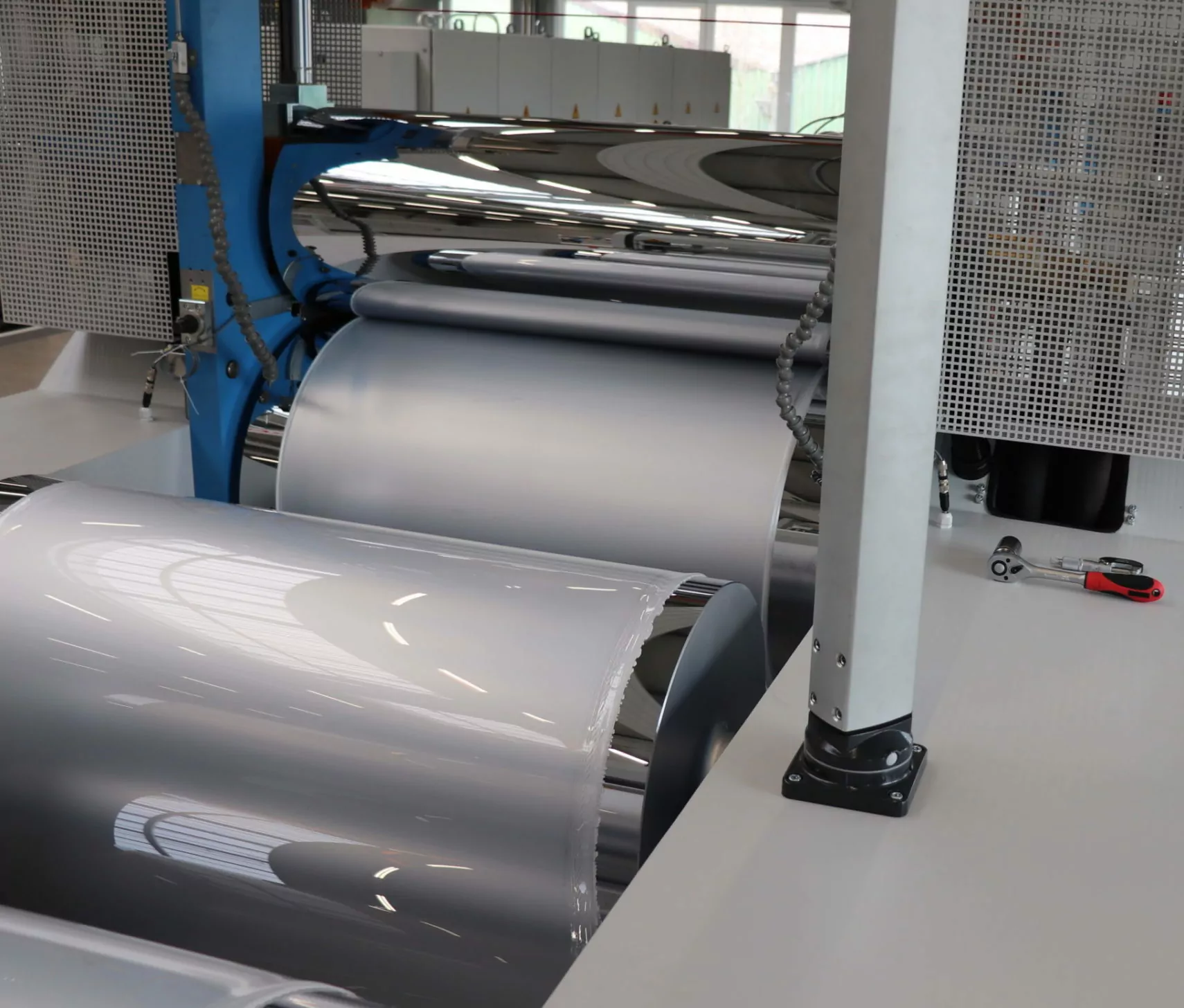
Integrate calender roll positioning with profile feedback to control sheet flatness and thickness. Ideal for PVC and other sheet applications. Keeps your operators away from dangerous nip points and manual guesswork.

Monitor and adjust web tension using precision load cells from FMS. Prevent roll defects, edge curl, wrinkles, and web breaks by stabilizing forces across all zones.

Zone-by-zone tension measurement across the web. Detect uneven stress across the width and correct it with accuracy single-point sensors can’t match.
Monitor total film thickness and layer uniformity inline
Real-time scanning with automatic die-bolt feedback to maintain spec
Tie thickness data into bubble control systems to stabilize production
Maintain consistent gauge at high line speeds without overshooting resin usage
Spot-thickness variation detection for high-spec films with tight tolerances
Biaxially Oriented Film (BOPP and BOPET) with precise measurement including at tenter edges using x-ray.
Machine Direction Oriented Film (MDO) while accounting for film stretch
Profile and flatness monitoring integrated with calender roll positioning
Real-time thickness and density control to ensure consistent expansion and strength
Deliver uniform sheet thickness for clean forming and reduced scrap
Detect overall gauge and spot asymmetry between bonded layers
Verify coat weight and thickness for consistent lamination quality
Control coating and extrusion thickness for durable and uniform results
Sub-micron level thickness monitoring across ultra-thin webs
Real-time tension and gauge control for sterile-grade film
Improve process efficiency on wide-format, high-output lines
See solutions for non-contact thickness, basis weight, and profile measurement for cast film, blown film, and sheet extrusion.
A look at measurement and control systems applied to various film and sheet extrusion processes.

Showcase of measurement in continuous, coreless, and recycled stretch film production.
A brief showcase of thickness measurement technology tailored for the blown film process.
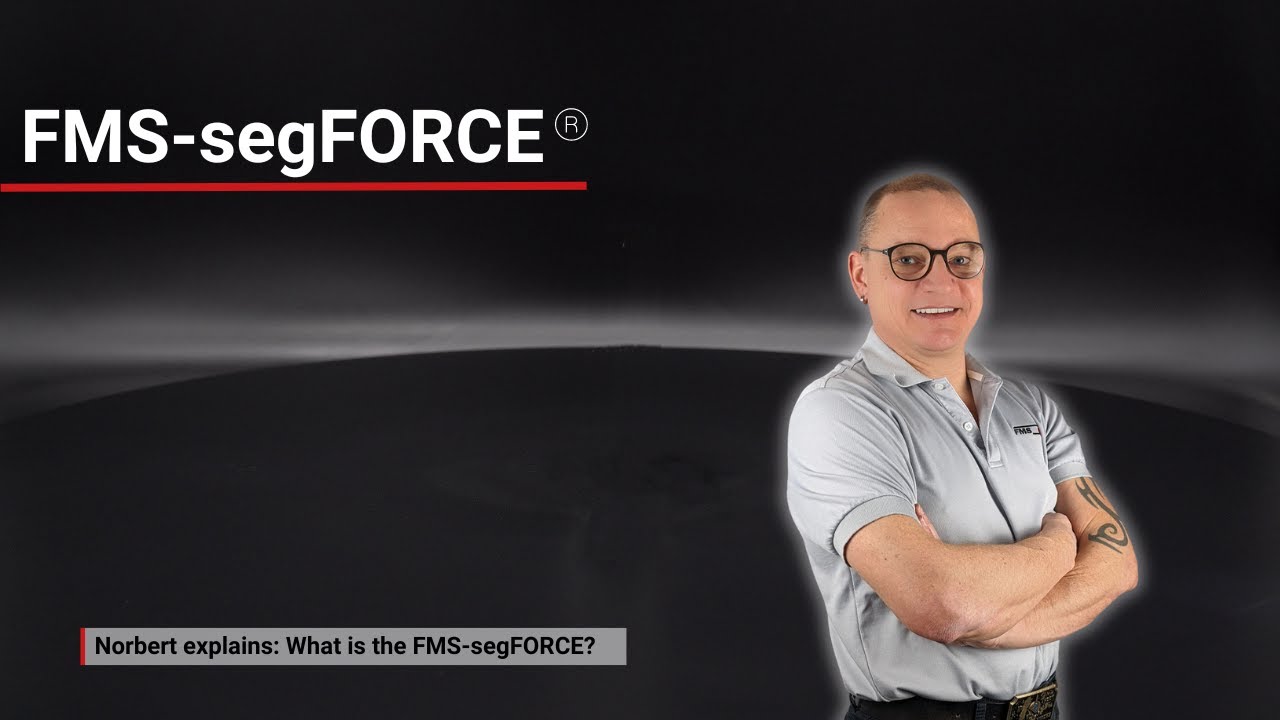
Detailed explanation of the segmented roller that monitors tension deviations across the web width.
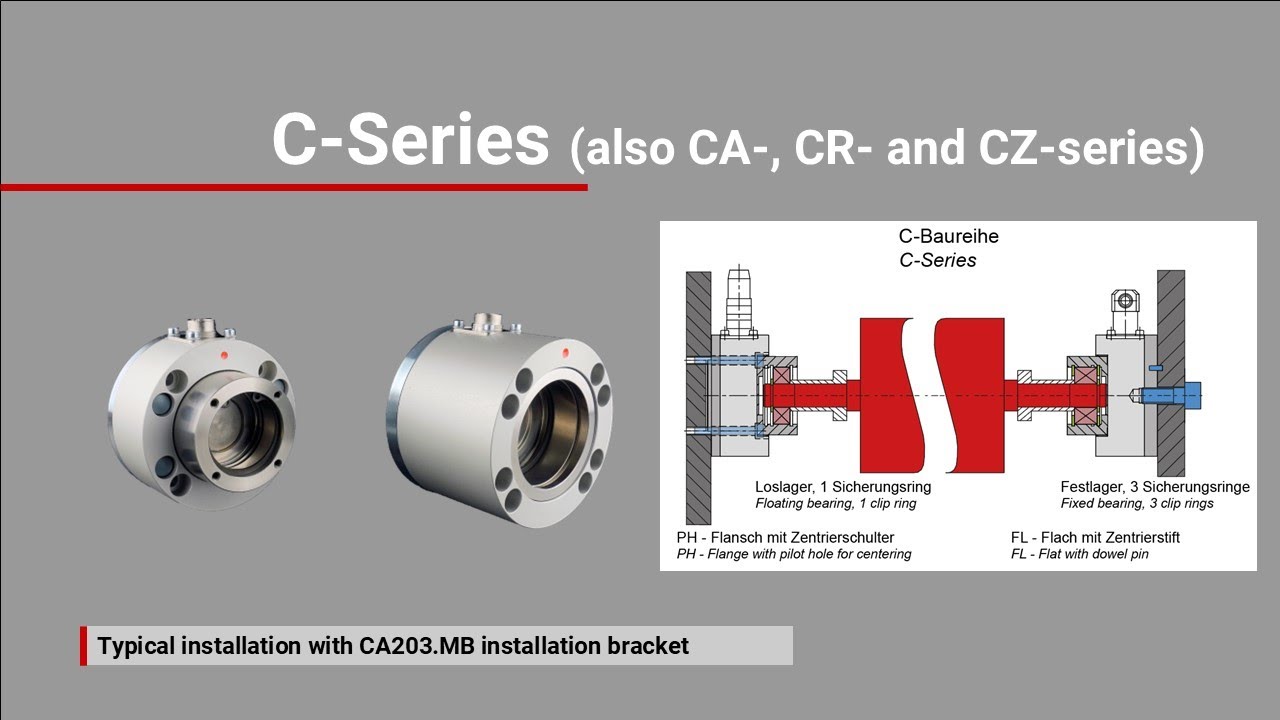
A demonstration of installing the C-series load cell with a specialized installation bracket.
A technical comparison of Non-Radioactive X-ray, Radioisotope (Beta & Gamma), and Optical sensors for real-time measurement. Discover why Non-Radioactive X-ray gauges provide superior basis weight accuracy, speed, and operational efficiency for modern high-precision film and sheet production.
| Key Feature | X-ray Transmission Non-Radioactive | Beta Gauge Kr-85 / Sr-90 / Pm-147 | Gamma Gauge Am-241 | Ultrasonic Direct Caliper | Infrared (IR) Film Thickness/Layering | Laser Triangulation Optical Caliper |
|---|---|---|---|---|---|---|
| Measurement Performance and Stability | ||||||
| Measurement Type / Primary Output | Basis Weight (gsm) (Thickness inferred) | Basis Weight (gsm) (Thickness inferred) | Basis Weight (gsm) (Thickness inferred) | Thickness (µm) | Thickness (µm) | Thickness (µm) |
| Signal Strength & Control Stability | Exceptional (Clear Signal, Low Noise) | Marginal (Fuzzy Signal, Source Decay) | Poor (Very Fuzzy Signal, Source Decay) | Excellent (Direct) | Excellent (Direct) | Excellent (Direct) |
| Typical % Measurement Accuracy | ±0.1% to 0.3% (Basis Weight) | ±1% to 2% (Basis Weight) | ±2% plus (Basis Weight) | ±0.5% to 1% (Thickness) | ±1% to 3% (Thickness, Chem. Dep.) | ±0.5% to 1% (Thickness) |
| Web Flutter Sensitivity | Negligible | Mild | High | High (Proximity dependent) | Significant (Distance sensitive) | Significant (Distance sensitive) |
| Edge Measurement Resolution | Excellent (High Resolution, Fast Scan) | Marginal (Signal Smoothing) | Poor (Low Signal Quality) | Fails at Edge (Acoustic path instability) | Moderate (Optical Edge Effects) | Moderate (Optical Edge Effects) |
| Material & Application Versatility | ||||||
| Heavy Filler / Additive Analysis (CaCO₃, BaSO₄) | Directly Sensitive (Unique differentiator) | No | No | No | No | No |
| Multilayer / Co-Ex Capability | Yes (Requires Density Contrast, e.g., PVDC) | No | No | No | Limited (Thin films, Fixed chemistry/structure) | No |
| Material Independence (Color, Haze, Optics) | Excellent (Mass absorption principle) | Good | Good | Limited (Acoustics / Air coupling) | Poor (Color / Optical sensitive) | Poor (Optical focus / Diffractive sensitive) |
| Operational Factors & Total Cost of Ownership | ||||||
| Real-Time Standardization / Calibration | Near-Instantaneous (<1s, Off-Sheet Reference Check) | Slow (Minutes, Off-Sheet required) | Slow (Minutes, Off-Sheet required) | Direct Measuring (Geometric Check Only) | Direct Measuring (Geometric Check Only) | Direct Measuring (Geometric Check Only) |
| Environmental Sensitivity (Temp, Humidity, Dust) | Highly Stable / Not affected | Mild (Source decay) | Mild (Source decay) | High (Temp/Coupling dependent) | High (Sensitive to dust/moisture) | High (Vibration/Flutter sensitive) |
| Safety, Regulatory & Maintenance | ||||||
| Radioactive Isotope Source Required | No (Electronic X-ray Tube) | Yes | Yes | No | No | No |
| Regulatory Licensing / Disposal Cost | License-Free (Simple Shielding) | Licensed Isotope + Costly Disposal | Licensed Isotope + Costly Disposal | Safe / Minimal | Safe / Minimal | Safe / Minimal |
| Applications and Verdict | ||||||
| Best Use Case | Universal (All High-Precision Film/Sheet) | Obsolete / Legacy Systems | Obsolete / Legacy Systems | Thick Sheet / Specialty Use | Layer Analysis of Thin Film | Variable Density Sheet (Reference Required) |
| Overall Verdict | INDUSTRY BENCHMARK | High Cost, Low Accuracy, Regulatory Burden | High Cost, Low Accuracy, Regulatory Burden | Niche Measurement / Calibration Tool | Niche Layer Measurement | Niche Caliper Measurement |
Share your material type, thickness range, and line details and we will recommend the best Scantech or FMS system. We will also include pricing, lead times, and integration guidance.
Request a RecommendationWe’ve worked on film & sheet extrusion projects across North America and Europe. If you’re stuck, we’ll help you figure out what works.