
Medical Tubing, Catheter & Guidewire Measurement
Measure medical tubing, catheters, and guidewires during extrusion or after production. Compare systems for outside diameter (OD), inside diameter (ID), wall thickness, shape, and surface defects. Start with how the part will be inspected.
 Authorized LaserLinc sales & support partner.Free LaserLinc phone & remote support for original purchasers, Mon–Fri, 8am–5pm Eastern. Gauge Advisor is also available during Pacific business hours.

How will the part be measured?
Start with where the measurement happens and how the part moves through the process—not just the dimensions on the drawing. Choose the application closest to yours to see which systems are worth considering.
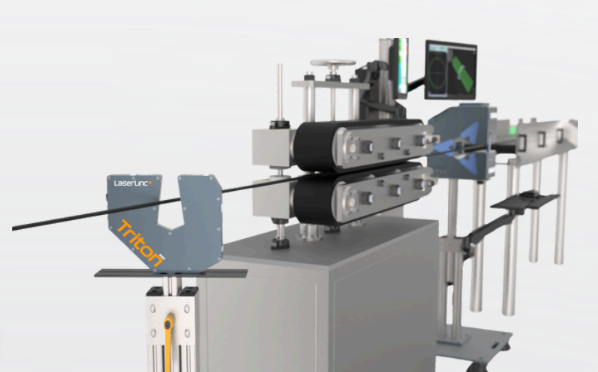
Continuous measurement while the tube is being extruded
Start with the dimensions or defects that could cause failure. Then add the gauges, software, alarms, and controls needed to monitor them.
- Best whenYou need continuous monitoring, process trends, alarms, or closed-loop control.
- MeasuresOD and ovality; add ultrasonics for wall and concentricity or FlawSense for topographic surface defects.
- ApproachLaser micrometers, UltraGauge + AutoPilot, and FlawSense can be used independently or together.
i Fit note: line speed, material, how the tube passes through each sensor, ultrasonic water coupling when used, tolerances, and control goals all affect the final setup.
Controlled bench inspection after the product has cooled
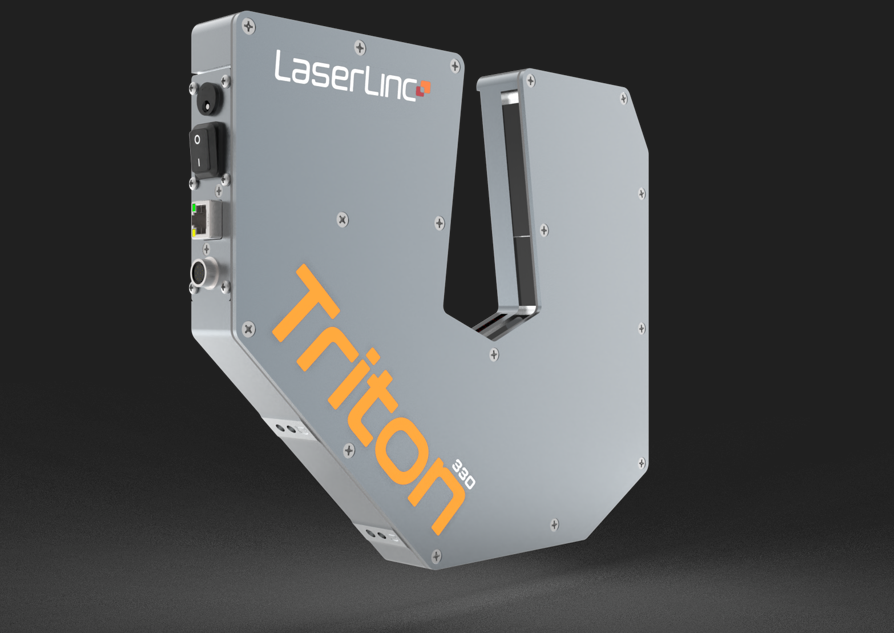
Use a bench-mounted laser micrometer to check OD and ovality under controlled conditions. If you also need ID, wall thickness, or concentricity, use a specialized BenchLinc system.
- Best whenYou inspect cut samples, incoming material, first articles, rigid tubing, or finished parts offline.
- MeasuresOD and ovality with a laser micrometer; specialized bench systems can add ID, wall, and concentricity.
- ApproachTriton 330 for three-axis external measurement; BenchLinc OD/ID or BenchLinc UT when the application requires internal geometry.
i Fit note: very thin walls, soft parts, multilumen designs, and unusual materials may need testing with real samples before a system is selected.
Use Metron for finished parts—or profile production runs
Metron automatically rotates and measures finished catheters, guidewires, mandrels, and shafts. It is ideal for QA and finished-part inspection when you need to identify defects or track a bump or taper profile.
- Automated Metron solutionPurpose-built offline inspection for finished parts. Metron creates full-length outside diameter (OD) and ovality profiles without manual feeding or rotation.
- Encoder-based production solutionAn encoder adds length tracking to a compatible laser micrometer, UltraGauge, BenchLinc UT, or FlawSense setup. The profile contains only the measurements supported by the installed sensors.
- Best whenYou need to find tapers, transitions, changes near the tip, or localized variation that manual spot checks may miss.
i Fit note: Metron fit depends on part length, diameter, flexibility, straightness, fixturing, and target inspection time. Encoder-based profiles depend on stable product motion, reading spacing, encoder resolution, and line speed.

Detect raised and lowered surface defects that standard OD measurement can miss
Surface inspection can be added to an extrusion line or configured for controlled offline inspection when raised and lowered anomalies create product risk.
- Best whenYou need continuous coverage for localized bumps, gels, pits, scratches, wrinkles, or foreign material.
- MeasuresOD and ovality plus a 3D map of changes in surface height.
- ApproachFlawSense combines laser micrometer measurement with laser triangulation, which maps the tube surface in 3D, plus saved recipes, alarms, and defect-event review.
i Fit note: part transparency, color, texture, reflectivity, how it moves through the sensor, and the defect size you need to find should be confirmed with representative samples.

Match the measurement to the technology
A single system may not measure every feature you need. Start by separating the job into external dimensions, internal geometry, lengthwise profiles, and surface defects.
External dimensions
Laser micrometers provide non-contact OD, ovality, and dimensional drift measurement for inline production or bench inspection.
Internal geometry
Ultrasonic and specialized bench systems can measure ID, wall thickness, and concentricity—how centered the ID is within the OD—when the material and part geometry are suitable.
Lengthwise profiles
An encoder can tie each reading to a position along the product, creating profiles of OD and ovality, wall and concentricity, or surface condition. What the profile contains depends on the installed sensors and motion setup.
Surface integrity
Laser triangulation detects raised or lowered flaws that can remain invisible to a conventional OD measurement or a short sample check.
Equipment optionsExplore medical measurement equipmentInline measurement, offline inspection, and software, display, and integration options.View equipmentHide equipment
From the extrusion line to the QA lab
Some applications need one system; others combine several. The right choice depends on the range of part sizes and tolerances, required accuracy and repeatability, part handling, line speed, material, data needs, and validation requirements.
Inline-capable measurement systems
Laser micrometers
Non-contact single-, dual-, and triple-axis measurement for inline process control or controlled offline OD and ovality inspection.
- Best for
- Inline extrusion control and offline external-dimension checks
- Measures
- OD, ovality, dimensional variation
- Limit
- Does not directly measure ID or wall by itself
UltraGauge + AutoPilot
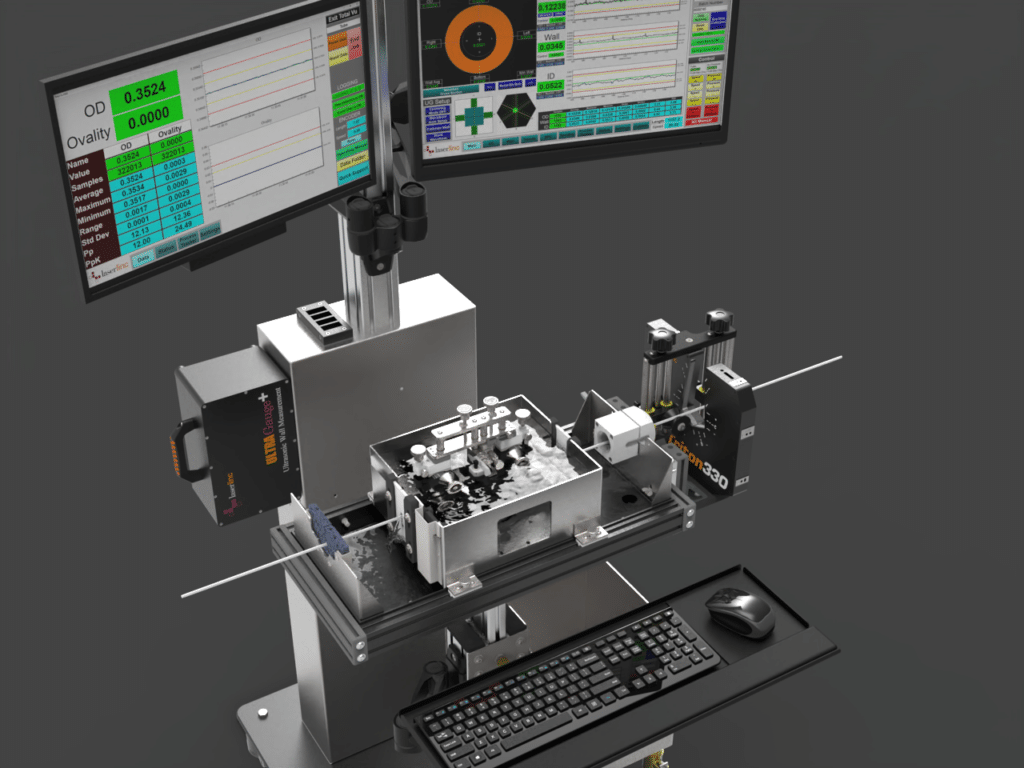
Inline ultrasonic wall and concentricity measurement, commonly coordinated with laser OD measurement and automatic transducer alignment.
- Best for
- Continuous wall measurement and control
- Measures
- Wall thickness and concentricity; ID with OD data
- Limit
- Material, tube size, water coupling, and sensor access must be reviewed
FlawSense
Inline or offline OD and ovality measurement plus 3D mapping of localized raised and lowered surface anomalies.
- Best for
- Continuous dimensional measurement and 3D surface inspection inline or offline
- Detects
- Bumps, gels, pits, scratches, inclusions, and foreign material when they create a detectable change in surface height
- Limit
- Optical condition and defect definition require sample testing
Offline and finished-part inspection

BenchLinc OD/ID
Fast inspection of short polymer tubing samples with repeatable sample positioning for QA, validation, and process feedback.
- Best for
- Short polymer tubing samples
- Measures
- OD, ID, wall, ovality, and concentricity
- Limit
- Offline sample inspection rather than continuous inline use
BenchLinc UT
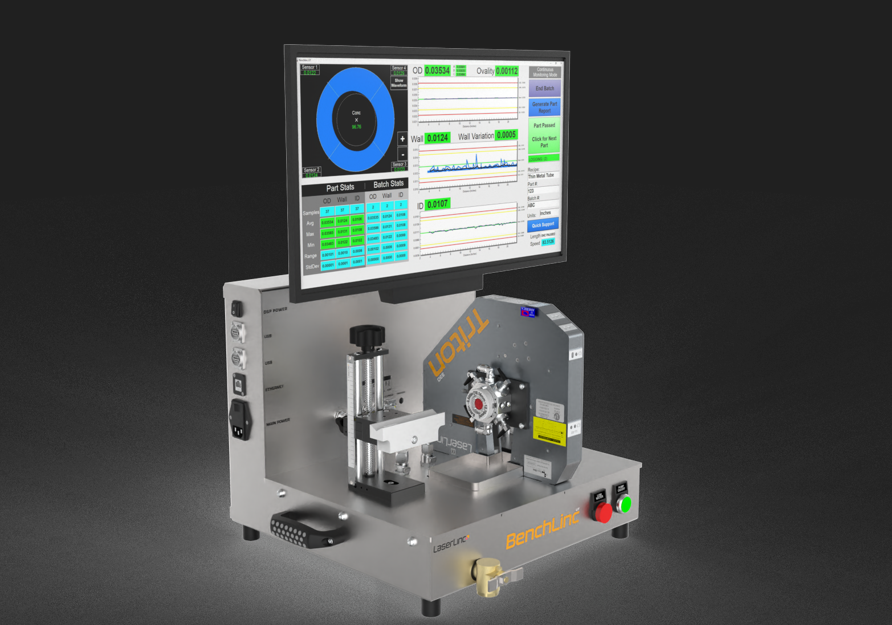
Ultrasonic bench inspection for rigid tubing, hypotubes, nitinol components, cannulas, and similar parts that can be centered and measured reliably.
- Best for
- Rigid and metallic medical tubing
- Measures
- Wall thickness and concentricity; OD, ovality, and ID with the optional laser configuration
- Limit
- The material must transmit ultrasound reliably, and the part geometry must allow stable measurement
Metron
Automated feed-and-rotate inspection for lengthwise diameter and ovality profiles across catheters, guidewires, mandrels, shafts, and delivery components.
- Best for
- Long parts, tapers, transitions, and localized OD variation
- Measures
- Full-length external diameter and ovality profiles
- Limit
- Does not replace wall or internal-geometry measurement
Software, displays & integration

Total Vu software
LaserLinc’s fully customizable Windows-based software for measurement visualization, recipes, trends, SPC, saved data, reports, communications, alarms, and process control.
- Best for
- Bench, Metron, FlawSense, ultrasonic, and inline systems that need configurable operator displays, records and quality checks
- Provides
- Live values, custom screens, recipes, trends, SPC, saved data, reports, alarms, and integration
- Flexible
- LaserLinc can customize it to the process at no charge, or technically capable customers can configure it themselves
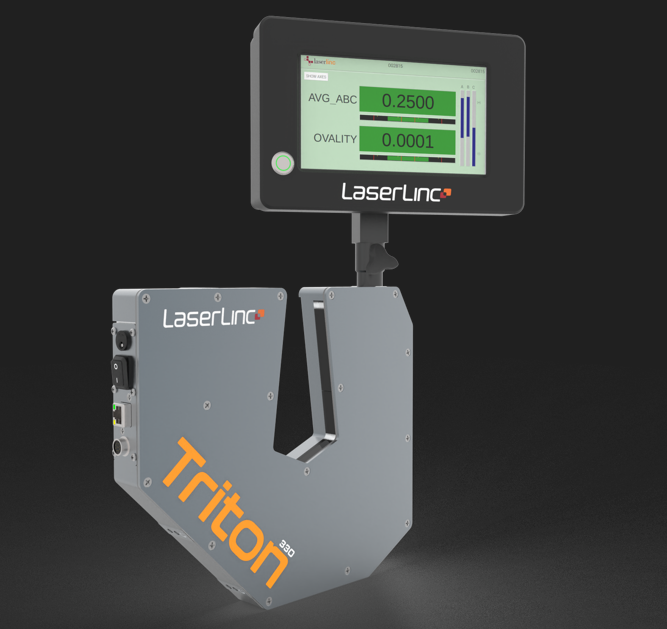
SmartLinc Display
A compact benchtop touchscreen for live laser-micrometer spot checks. It does not save or export measurement data.
- Best for
- Benchtop and lab laser micrometer checks that need a compact local operator display
- Displays
- Configured live diameter, ovality, and other available measurements from the connected compatible laser micrometer
- Total Vu
- Choose Total Vu when recipes, trends, SPC, reports, saved data, or a customizable interface are required

SmartLinc Processor
Send live laser-micrometer measurement tags to your existing PLC, HMI, or machine software. SmartLinc Processor fits inline integration and custom benchtop projects that already have their own operator interface.
- Best for
- Inline or custom benchtop applications where another system supplies the screens, data storage, reporting, and control logic
- Provides
- Real-time measurement values and the selected industrial-protocol connection to a line-control system
- Total Vu
- Choose Total Vu when operators also need native visualization, recipes, charts, SPC, reports, or saved measurement data
Compare medical measurement systems
Use this table to narrow the options, not as a final specification. If you need several measurements, the best solution may combine more than one system.
Comparison tableCompare six measurement system familiesReview workflows, measurement capabilities, and application limits.View tableHide table
Swipe horizontally to compare all system families.
| System family | Main application | OD / ovality | ID / wall | Concentricity | Surface flaws | Full-length profile | Best fit |
|---|---|---|---|---|---|---|---|
| Laser micrometer | Inline or bench | Yes | No | No | No — detects OD changes only | Yes — with encoder | Fast external dimensional measurement |
| UltraGauge | Inline extrusion | Pair with laser OD | Wall measured directly; ID calculated with laser OD | Yes | No | Yes — with encoder | Continuous wall and concentricity control |
| BenchLinc OD/ID | Offline short samples | Yes | Yes | Yes | No — dimensions only | No — short samples | Repeatable polymer tubing QA checks |
| BenchLinc UT | Offline bench | With optional laser | Wall measured directly; ID calculated with optional laser OD | Yes | No — optional laser detects OD changes | Yes — with encoder | Rigid, hypotube, cannula, and metallic tubing |
| Metron | Offline full-length scan | Yes | No | No | No — measures OD profile changes only | Yes — automated | Catheter, guidewire, mandrel, and shaft profiles |
| FlawSense | Inline or offline inspection | Yes | No | No | Yes — 3D surface + OD | Yes — with encoder | Continuous dimensional and 3D surface monitoring |
Profile note: An encoder is a position sensor that ties each reading to a location along the product. With suitable part motion and encoder input, laser micrometers, UltraGauge, BenchLinc UT, and FlawSense can build profiles of whatever their sensors measure. Metron also automates part feed and rotation. BenchLinc OD/ID is designed for individual short samples.
Surface note: Laser micrometers can flag localized size changes, such as an increase or decrease in OD, but they do not create a 3D surface map. FlawSense adds laser triangulation to find raised and lowered surface defects. BenchLinc UT can flag dimensional changes only when equipped with its optional laser.
Final capability depends on the complete application, including required accuracy, repeatability, defect size, and control needs. Testing with representative samples may be needed before a recommendation is made.
Built around the part you manufacture
A system that works for soft microtubing may not fit a rigid hypotube or a full-length guidewire—even when the tolerance is similar.
Catheter & microbore tubing
Inline OD, wall, concentricity, and defect monitoring combined with offline QA checks for validation and process confirmation.
Review tubing wall measurement →Balloon & bump/taper tubing
High-speed OD measurement using software recipes to track bump and taper regions, transition lengths, and dimensional alarms.
Review bump and taper measurement →Guidewires, mandrels & shafts
Encoder-referenced or automated full-length diameter and ovality profiles for long products, transitions, localized variation, and taper validation.
Review guidewire measurement setups →Hypotubes, cannulas & nitinol
External and ultrasonic inspection for rigid or metallic tubing when OD, ID, wall, and concentricity must be evaluated together.
Compare Nitinol tubing equipment and request guidance →Coated shafts & delivery components
Dimensional measurement and high-resolution topographic inspection for bumps, scratches, inclusions, and other raised or lowered surface anomalies.
Review surface inspection →Incoming, first-article & validation inspection
Operator-guided bench inspection procedures, saved recipes, reporting, capability analysis, and repeatable sample presentation for QA and R&D.
Open medical engineering tools →Microspec on FlawSense surface inspection
“FlawSense is an improvement! An innovation in detecting defects on the surface, and I swear by it.”
Tim Steele, CEO, Microspec. Published by LaserLinc.
Have a medical tubing surface defect to evaluate? Share the material, size range, and examples of acceptable and rejectable defects for an application review.
Not sure which measurement solution is right?
Answer five questions about your part and process to narrow down the measurement options for your application.
View or save your application profile
Your profile carries to the contact form in this browser session for up to two hours. Download it or copy the text below to keep the full summary. Use Copy Shareable Engineering Link to reopen your selected inputs. Free-text notes are not included in shared links.
No profile loaded. Calculate a selector result, then choose Refresh profile.
Technical support before and after the purchase
Gauge Advisor helps turn the drawing and process requirements into a practical measurement plan. We coordinate sample testing when needed and stay involved through integration, training, and production support.
Thank you for coming onsite and for your assistance troubleshooting our issue. The LaserLinc micrometer works great!
Share the application
Provide the material, minimum and maximum dimensions, tolerances, part length, line speed, how the part will be measured, defect concerns, and reporting or integration needs.
Confirm the measurement approach
We review the geometry, match each requirement to the right measurement method, explain limitations, and arrange sample testing when specifications alone are not enough.
Configure and support the system
Once the approach is confirmed, we can help with the quotation, mechanical and controls review, installation planning, training, validation support, and ongoing troubleshooting.
Start with three application details
Tell us about the part, the measurement you need, and where inspection happens. Gauge Advisor will help select and quote the LaserLinc equipment that fits your manufacturing process.
- Material and approximate tube or part dimensions
- Critical measurement: OD, ID, wall, concentricity, profile, or surface defect
- Inline production or offline inspection
A drawing or sample description is helpful. Open the detailed checklist when you are ready to prepare a full specification.
Detailed application checklistAdd dimensions, tolerances, handling details, and data requirements when available.
- Material and product construction
- Minimum and maximum OD
- Target ID and wall range
- Drawing tolerances and critical features
- Inline, short-sample, bench, or full-length inspection
- Normal and maximum line speed
- Part length and how the part will be guided or held
- Surface condition and defect definition
- Data, reporting, PLC, MES, or control needs
- Representative samples when available
Medical measurement demonstrations
Three focused demonstrations show the difference between bench inspection, full-length profile scanning, and continuous inline measurement.
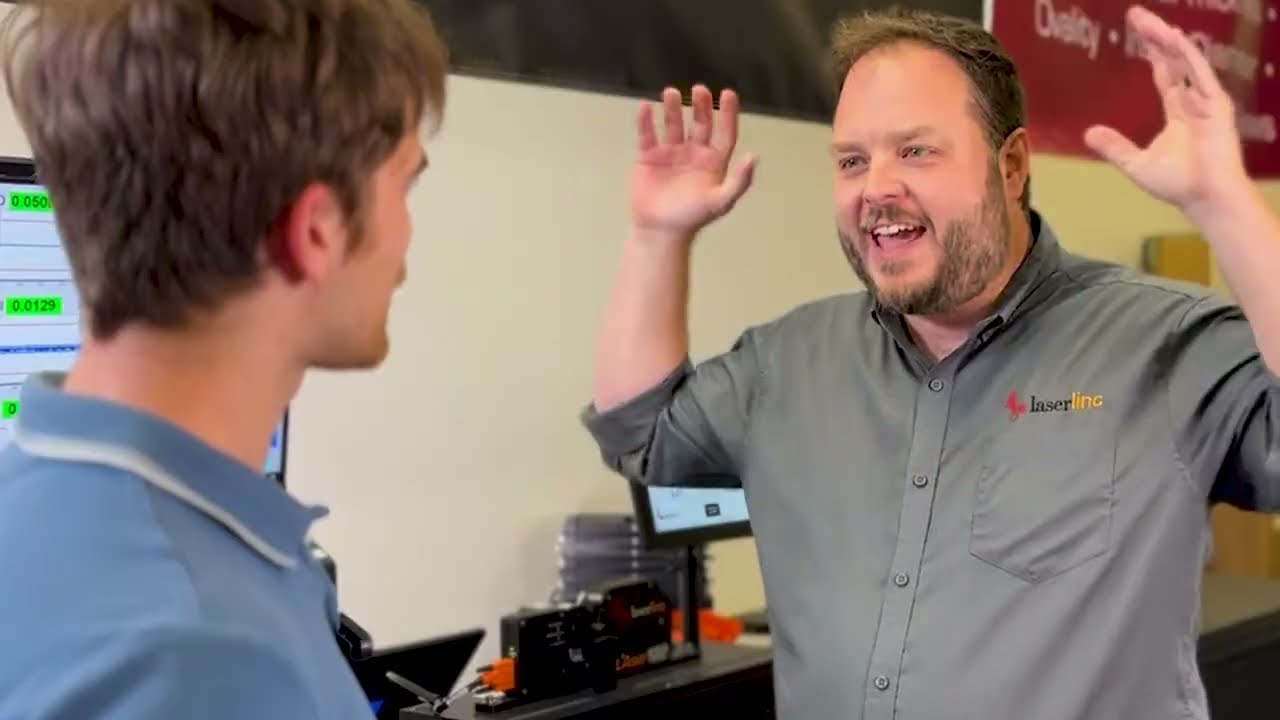
BenchLinc UT ultrasonic inspection
See a controlled bench inspection procedure for OD, ID, wall, and concentricity measurement.
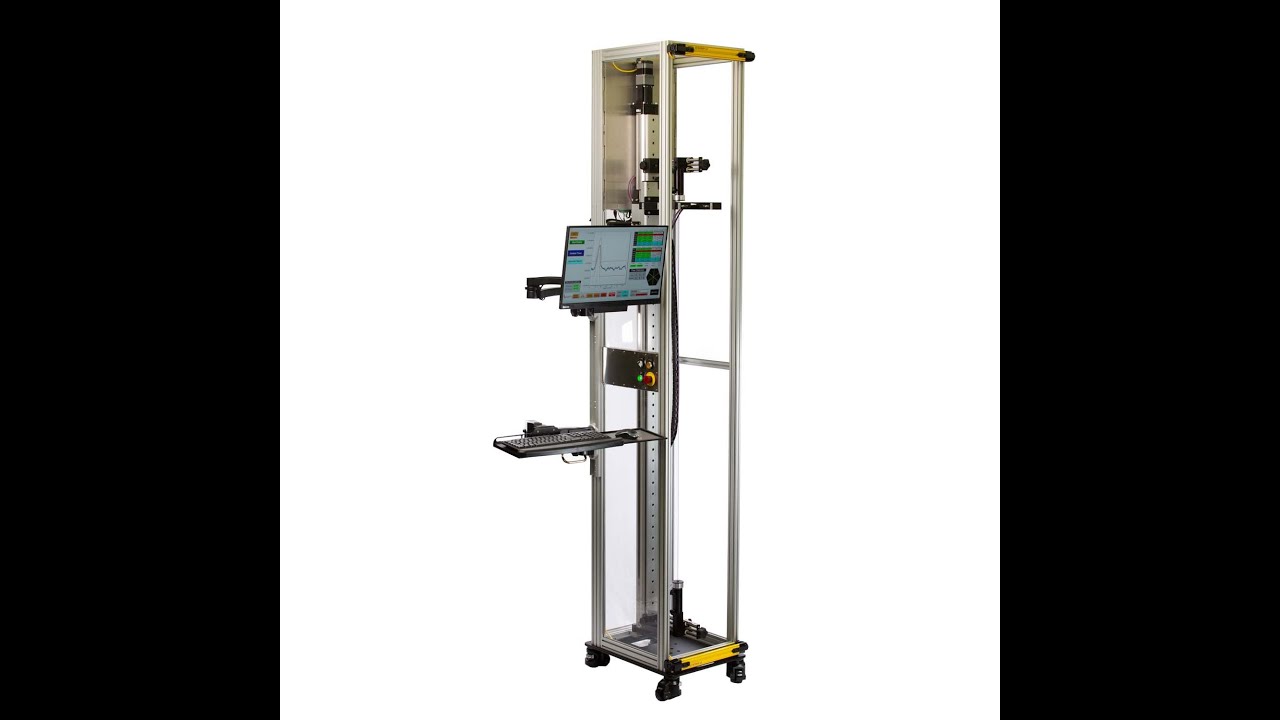
Metron full-length profile scanning
Watch automated feed-and-rotate measurement along a long catheter or guidewire-style part.
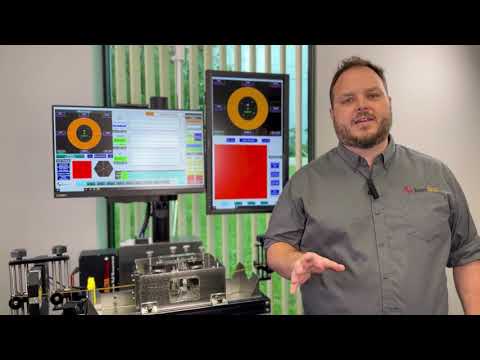
UltraGauge inline wall measurement
See real-time ultrasonic wall and concentricity measurement during tubing extrusion.
Plan the measurement approach
Use these tools to narrow the options before an application review. They are a starting point and do not replace final system selection or testing with your parts.
Medical Measurement Selector
Get a preliminary recommendation based on your measurement goals, inspection method, product size, line speed, quality priorities, and data needs.
Open the selector on its own page → Compatibility toolUltrasonic Transducer Selector
Check whether the tubing dimensions fit a preliminary UltraGauge transducer window.
Check compatibility → Verification toolCalibration Pin Selector
Select practical reference-pin sizes for laser micrometer diameter and ovality verification.
Select pins → Business caseMedical Measurement ROI Calculator
Estimate the value of reduced scrap, faster inspection, fewer missed defects, and improved process control.
Estimate ROI →Medical tubing measurement FAQ
These answers provide a starting point. Final measurement capability depends on the product, tolerance, inspection method, and required measurement uncertainty.
Which system measures OD, ID, wall thickness, and concentricity?
Can a laser micrometer measure medical tube wall thickness?
How are multilumen catheter dimensions measured?
When should measurement be inline instead of offline?
How are full-length tapers and transitions inspected?
How are medical tubing surface defects detected?
What data and integration options are available?
How do I request a medical tubing measurement equipment quotation?
Gauge Advisor provides authorized LaserLinc sales and applications support. Sample evaluation may be needed to confirm the measurement approach.