Complete Plastics Resin Handling Systems

Gauge Advisor supports plastics processors with engineered resin handling systems for conveying, blending, drying, routing, storage, machine feeding, and scrap recovery. These systems help move material from railcar, silo, or gaylord unloading through the plant and into the extrusion or molding machine while reducing contamination risk, material waste, changeover issues, and process instability.

Gauge Advisor is the official sales partner for Advanced Blending Solutions , a U.S. manufacturer of resin handling, conveying, blending, drying, controls, and scrap recovery systems for plastics processors. Together we help manufacturers improve material flow, recipe accuracy, contamination control, changeover efficiency, and overall process reliability from storage to the machine throat.

Advanced Blending Solutions advantages
  • U.S.-Built
  • Integrated Controls
  • Custom Engineered
  • Lab-Tested Applications
Application Review & Lab Testing

Validate Your Resin Handling System Before You Commit

Tell us your resin types, throughput, conveying distances, number of machines, drying requirements, and changeover challenges. Gauge Advisor can help review the application with Advanced Blending Solutions and recommend the right conveying, blending, drying, routing, controls, or scrap recovery approach.

For challenging materials or uncertain applications, ABS can support lab testing using real equipment such as blenders, vacuum conveying systems, dust collection, SMART material distribution, desiccant drying, and film repelletizing systems. Testing can help confirm material behavior, system layout, and equipment selection before moving into a formal quote.

Request an Application Review

Resin Conveying, Blending, and Drying Solutions

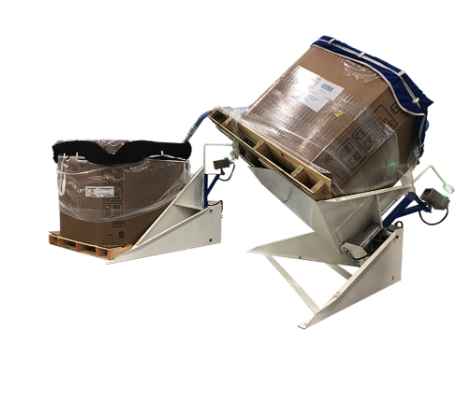
An image of a resin conveying system with weight verification for a railcar unload process.

Railcar Unload & Weight Verification

Move resin from railcar, truck, or silo unloading into plant storage or downstream conveying systems. Integrated weighing, pumps, receivers, and controls help verify delivered material, improve inventory visibility, and support reliable bulk transfer.

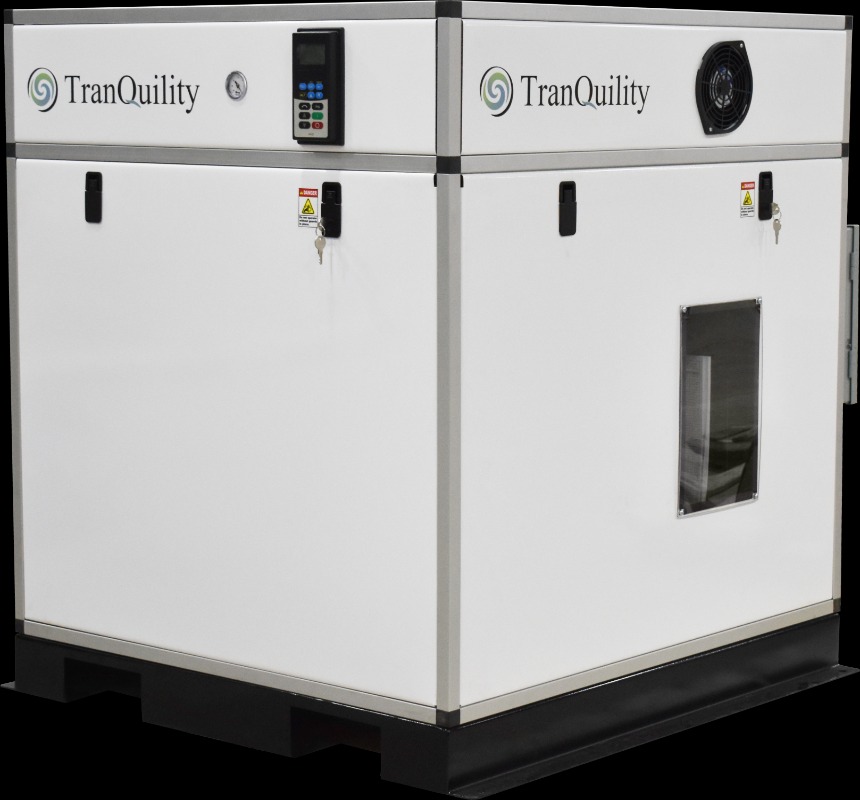
Advanced Blending Solutions Tranquility vacuum pump for resin conveying

Vacuum & Pressure Conveying Pumps

Move material efficiently through central conveying systems with vacuum or pressure pump packages. VFD control can help manage pickup velocity, reduce energy use, limit material degradation, and keep resin moving reliably to dryers, blenders, and machines. Estimate basic requirements with the Vacuum Pump Sizing Calculator.

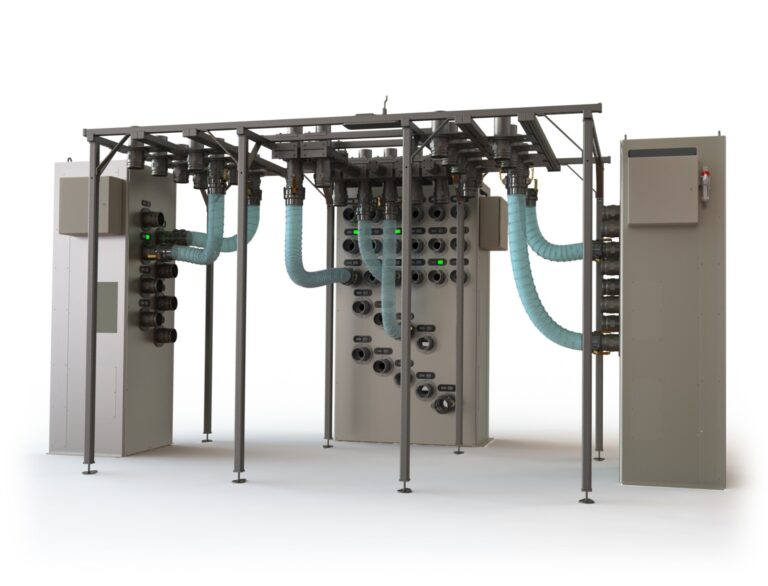
SMART Material Distribution

Simplify multi-silo, multi-machine routing with SMART material distribution. Recipe-verified connections help prevent wrong-resin events, reduce complex piping, and make it easier to send the right material to the right machine.

Advanced Blending Solutions Controls platform supporting Allen Bradley and Beckhoff controls.

Plant Controls, Reporting & Integration

Coordinate conveying, routing, silo levels, sequence control, pickup velocity, and material reporting through ABS control platforms. Integrated controls help reduce operator error, support traceability, and connect resin handling equipment into the production process.

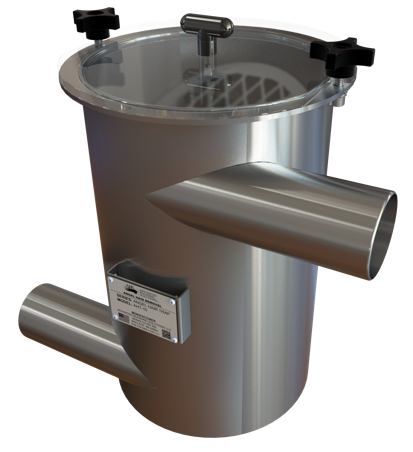
Angel hair trap from Advanced Blending Solutions for removing angel hair stringers from resin.

Angel Hair, Dust & Metal Separation

Protect equipment and product quality by removing streamers, fines, dust, and ferrous contamination before material reaches the process. Filtration, angel hair traps, and magnetic separation help keep conveying lines and downstream equipment cleaner.

Dust Collection units from Advanced Blending Solutions

Air Filtration

Capture dust, fines, fumes, and airborne particles from resin handling and conveying systems. Proper filtration helps keep the plant cleaner, protects vacuum equipment, and supports more reliable material transfer throughout the system.

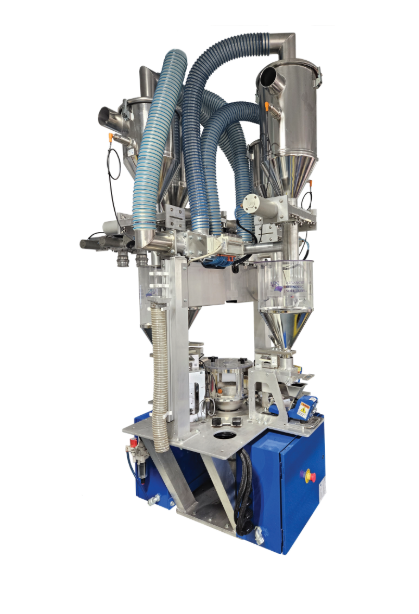
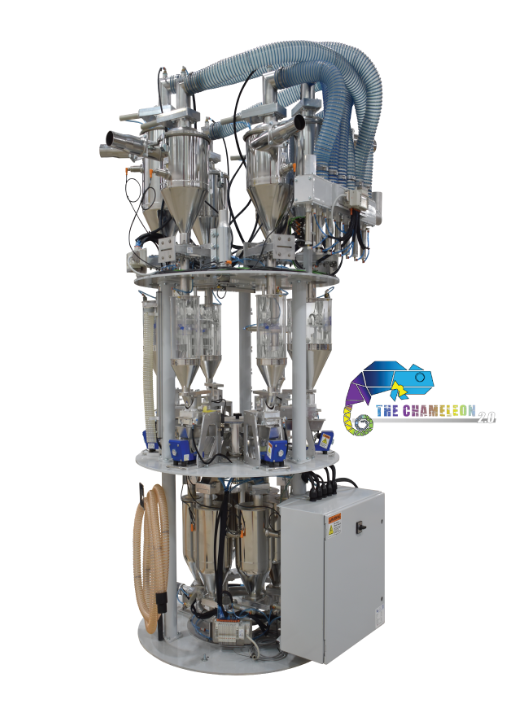
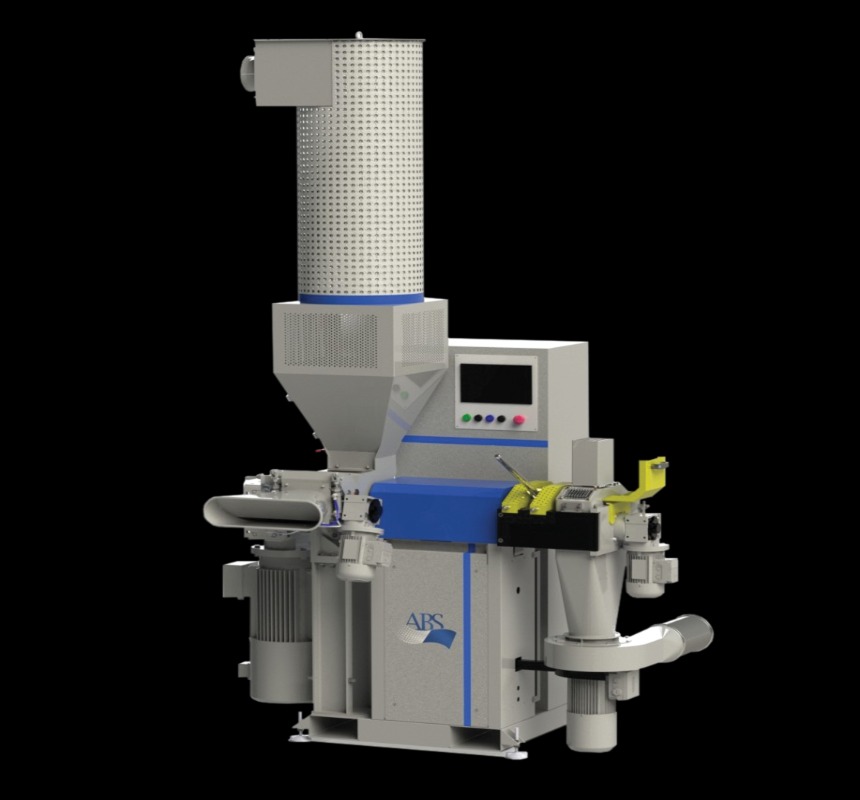
Auto-Cleanout Gravimetric Blenders

Meter multiple resin components with continuous gravimetric blending, recipe control, and material usage visibility. Automated cleanout options help reduce purge waste, shorten changeovers, and improve uptime for short-run or frequent material-change applications.

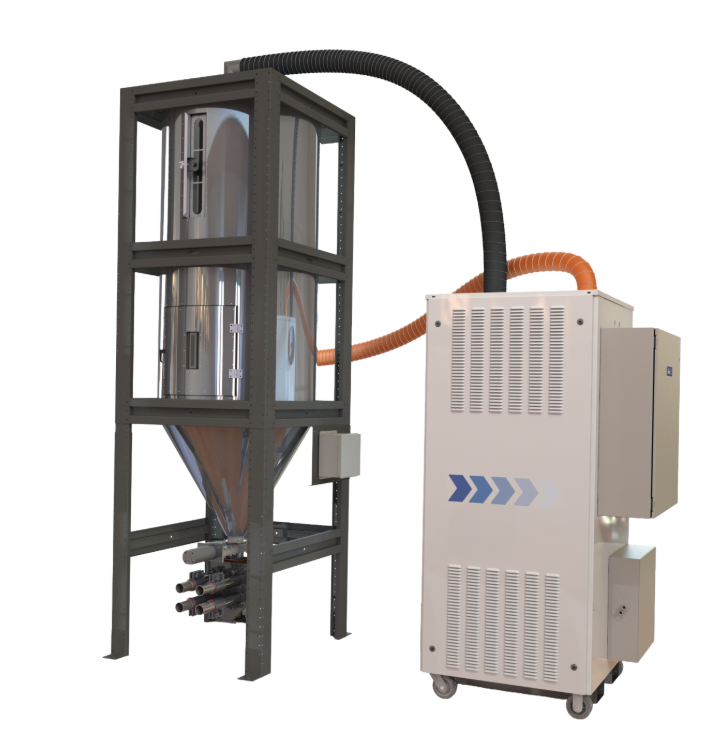
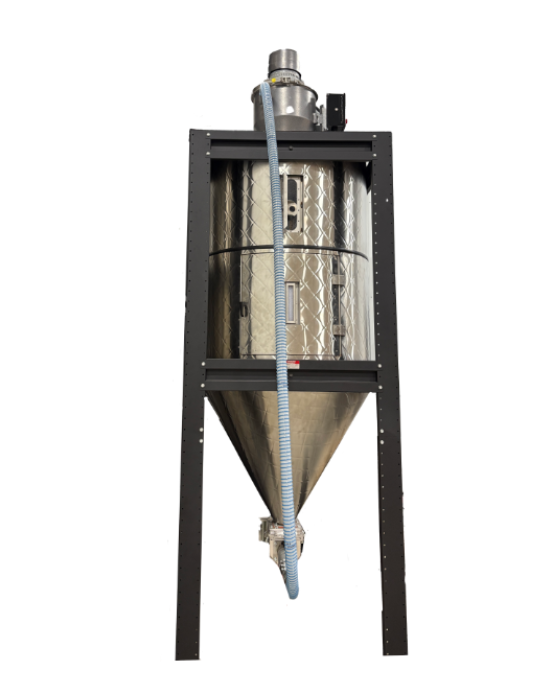
Resin Drying & Dehumidification

Dry hygroscopic materials with desiccant drying systems designed to maintain stable dewpoint and consistent material conditioning. Proper drying helps reduce moisture-related defects such as splay, bubbles, voids, brittle parts, and unstable extrusion performance.

Film Trim & Scrap Repelletizing

Recover edge trim, scrap rolls, and production waste with in-line or off-line repelletizing systems. Reprocessed material can be returned to the process where appropriate, helping reduce waste, improve material utilization, and support cleaner production flow.

Resin Handling Use Cases We Optimize

Railcar Unload & Bulk Transfer

Truck & railcar verification:

Confirm delivered weight matches invoiced weight using inline load cells

High-throughput unloading:

Optimize transfer rates without overloading silos or creating surge events

Remote silo fill monitoring:

Prevent overfills and material mix-ups with recipe-verified delivery systems

Central Material Conveying Systems

Multi-silo to multi-machine networks:

Simplify complex routing with smart stands that verify every connection

Vacuum and pressure conveying:

Use VFD-driven pumps for energy savings and quieter operation

Contamination prevention:

Filter systems remove dust, angel hair, and magnetic particles before they reach the process

Short Lot & Frequent Changeover Environments

Color and material changes:

Auto-clean blenders minimize cross-contamination and reduce downtime

Recipe integrity assurance:

Every blend cycle is logged, every ratio is validated. No more guesswork

Quick switchovers:

SMART stands and blender integration let you jump between jobs without spaghetti tubing nightmares

Resin Drying & Conditioning

High-performance drying for engineering resins:

Desiccant dryers provide stable, low-dewpoint air. Even for hygroscopic materials like nylon, ABS, and PC

Closed-loop dryer integration:

Verify material readiness before the extruder sees a single pellet

Moisture-sensitive applications:

Eliminate splay, voids, and bondline failure in injection and extrusion

Cleanroom & Medical Manufacturing

Dedicated, isolated lines:

Prevent cross-contamination with validated resin routing

Material traceability:

Track resin movement from unloading through final blend

Compliance logging:

Support regulatory audits with full material and dryer history

Application Selector

Which Resin Handling System Fits Your Application?

Different plastics processors need different resin handling strategies. A railcar unload system, central conveying system, SMART material routing layout, gravimetric blender, dryer, control platform, or scrap recovery system may be recommended depending on the material, throughput, number of machines, contamination risk, and changeover frequency.

Resin Handling Application Matrix

Use Case Recommended System Why It Matters
Railcar or Truck Unload Bulk transfer, weighing, pumps, receivers, and controls Verifies incoming resin, supports inventory accuracy, and moves high volumes into silos or plant storage.
Multi-Machine Central Conveying Vacuum or pressure conveying, sequence valves, and SMART material distribution Routes resin from storage to multiple machines while reducing manual handling, routing complexity, and operator error.
Frequent Color or Material Changeovers Gravimetric blender with automated cleanout Reduces cleanout labor, purge waste, and downtime during short-run or frequent material-change production.
Moisture-Sensitive Resin Processing Resin drying and dehumidification systems Helps prevent splay, bubbles, voids, brittle parts, and unstable extrusion or molding performance.
Film Trim or Scrap Recovery In-line or off-line repelletizing systems Converts usable scrap back into pellet form for controlled reintroduction where appropriate.
Dust, Angel Hair, or Contamination Problems Filtration, dust collection, angel hair traps, and magnetic separation Protects equipment, improves material cleanliness, and reduces downstream quality problems.
Material Tracking and Plant Integration Controls, reporting, recipe verification, sequence control, and silo level monitoring Improves visibility into material movement, usage, traceability, and process consistency across the plant.
Common Questions

Resin Handling System FAQ

Use these questions to narrow down whether your plant needs conveying, blending, drying, routing, controls, contamination control, or scrap recovery equipment.

What is a complete resin handling system?

A complete resin handling system moves material from bulk delivery or storage to the processing machine. Depending on the plant, this may include railcar or truck unload, silos, vacuum or pressure conveying, dryers, gravimetric blenders, SMART material distribution, machine receivers, controls, dust collection, and scrap recovery.

When should a plastics processor use central conveying?

Central conveying is useful when multiple machines need resin from shared storage, dryers, blenders, or gaylords. It can reduce manual material handling, improve plant organization, support automated routing, and help prevent wrong-material events when paired with proper controls and verification.

What does SMART material distribution do?

SMART material distribution helps route resin from storage sources to the correct machines while reducing dedicated piping and manual connection errors. It is especially useful in plants with multiple silos, materials, machines, or recipes where wrong-material prevention and routing verification are important.

How do gravimetric blenders help reduce resin waste?

Gravimetric blenders weigh and meter each material component to maintain the correct recipe ratio. This helps reduce overuse of additives, colorant, regrind, or virgin resin and improves consistency during continuous extrusion, molding, or batch-to-batch production.

When is resin drying required?

Resin drying is required when moisture-sensitive materials need controlled drying before processing. Poor drying can cause splay, bubbles, voids, brittleness, cosmetic defects, or unstable extrusion and molding performance.

Can scrap or film trim be reused?

In many film, sheet, and extrusion applications, usable scrap or edge trim can be repelletized and reintroduced into the process at a controlled rate. The right approach depends on material type, contamination risk, product requirements, and allowable regrind percentage.

Can Advanced Blending Solutions test my material?

For challenging applications, Advanced Blending Solutions can support lab testing and application review using real equipment. This helps evaluate conveying behavior, blending performance, drying needs, dust issues, routing concepts, or repelletizing before finalizing a system recommendation.

Why Work with Us:

We’ve worked with processors across North America to tighten up their plastic resin conveying & blending and cut waste at the source. If you’re stuck, we’ll help you figure out what works.

Ready to improve your resin handling process?