
Arizona, Nevada & Utah Polymer Processing
MAAG equipment review for extrusion, PVC processing, compounding, recycling, pelletizing and contaminated melt processing in Arizona, Nevada and Utah.
California Polymer Processing
Dedicated California support for extrusion melt pumps, polymer filtration, screen changers, PVC extrusion, compounding, film and sheet, recycling, and pelletizing applications.
Gauge Advisor supports MAAG melt pump and filtration projects across California, Arizona, Nevada, and Utah. Onsite application reviews are available for pressure instability, contamination, throughput limits, recycling, compounding, pelletizing, and retrofit constraints.
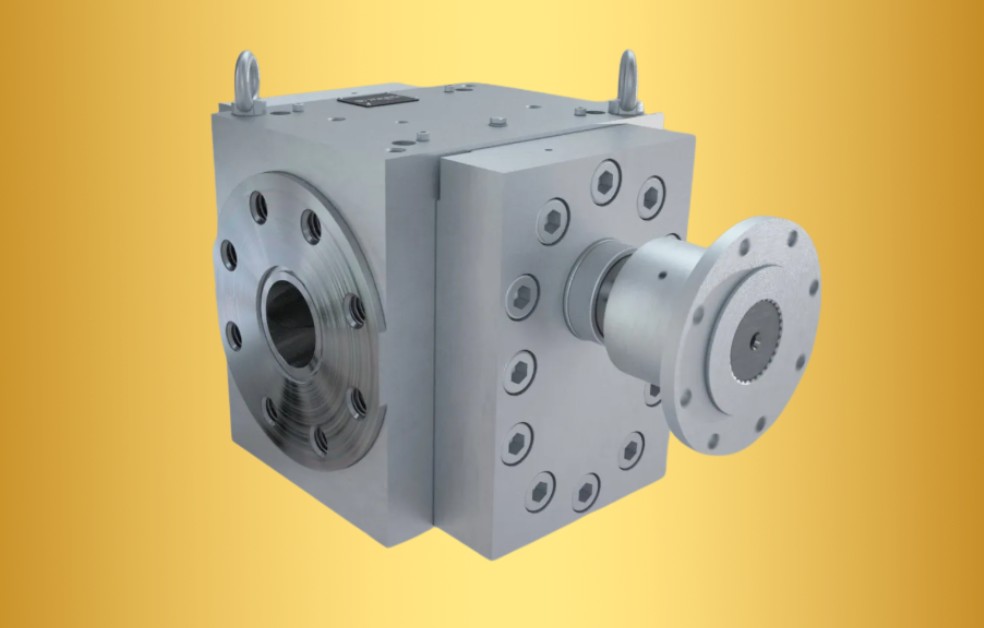
Melt Pumps for Pressure Stability & Throughput
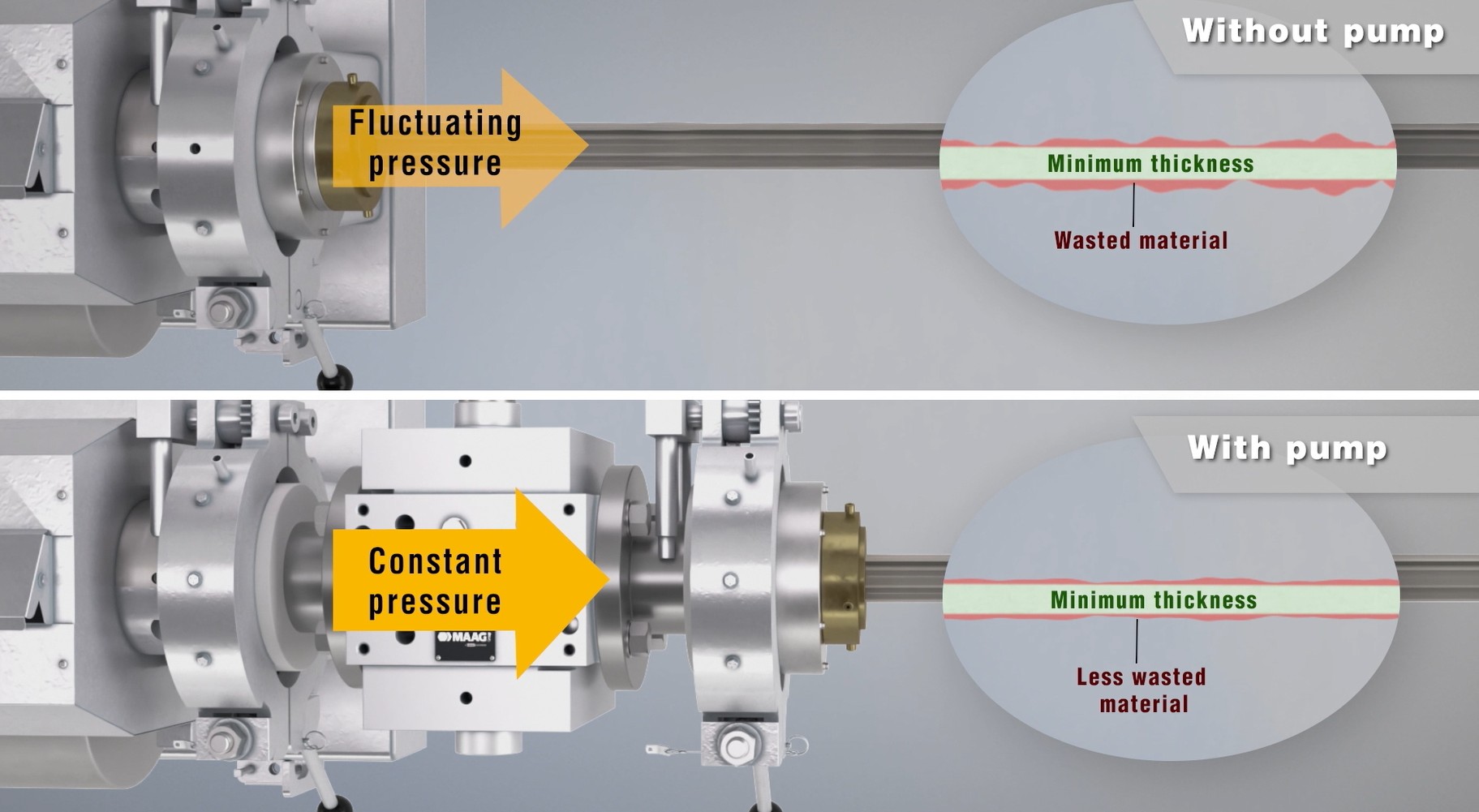
Melt pumps move pressure building away from the extruder and into a dedicated gear pump. In many extrusion and compounding processes, this helps stabilize die pressure, reduce pulsation, and improve product consistency:
- Pressure Stability: Smoother outlet pressure helps reduce process instability and variation in product dimensions.
- Higher Throughput: Dedicated pressure generation can help increase output while reducing extruder load.
- Lower Melt Stress: Reducing shear and heat input can help when processing sensitive polymers.
- Retrofit Review: Evaluate whether a melt pump can help with scrap, pressure fluctuation, or die instability.

Melt Pump Options for Different Polymer Processes
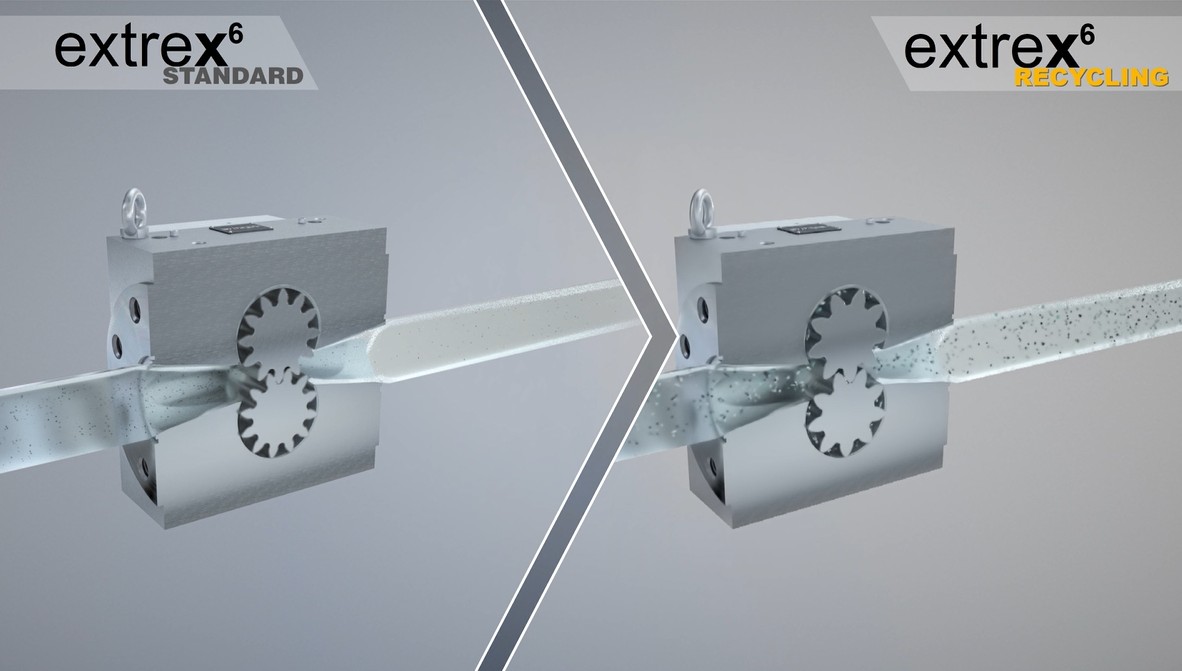
Not every extrusion line needs the same melt pump design. Film, sheet, pipe, profile, compounding, and recycling lines often need different pump selections based on material, pressure, contamination level, and throughput.
- Standard Thermoplastics: General melt pump support for common extrusion processes.
- High-Pressure Conditions: Review pump options for higher pressure and output requirements.
- Recycling & Filled Materials: Options for more demanding material streams and contamination risk.
- Sizing Support: Review flow rate, polymer family, pressure range, viscosity, and throughput.
PVC, Compounding & Recycling Applications
PVC, compounding, and recycling lines often deal with pressure instability, temperature sensitivity, abrasive materials, regrind, or contamination. The right melt pump and filtration combination can improve consistency and support more reliable downstream operation:
- PVC Extrusion: Support pressure control while reducing the burden on the extruder.
- Compounding & Masterbatch: Build downstream pressure and support consistent pellet quality.
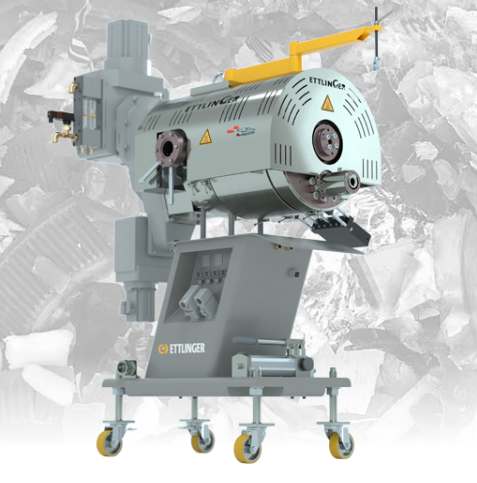
- Recycling: Improve melt delivery and filtration strategy for contaminated or variable streams.
- Pelletizing: Protect downstream equipment and improve stability before pellet formation.
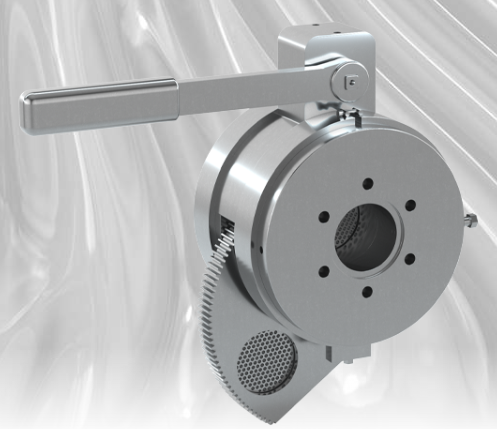
Melt Filtration & Screen Changer Options
Engineering Resources
Melt Pump Sizing Tool
Estimate flow rate, pressure requirements, and pump type by material and throughput.
Screen Changer Selector
Review filtration options based on contamination, uptime, and operating needs.
Melt Pump ROI Calculator
Estimate return from improved throughput, lower scrap, and better process stability.
MAAG Polymer Processing Partner
Gauge Advisor provides direct MAAG sales and applications support in California, Arizona, Nevada and Utah. Equipment project inquiries are welcome worldwide. Send your process requirements and plant location so we can review the application and coordinate the appropriate MAAG team.
Western U.S. Melt Pump & Filtration FAQ
Melt Pump & Filtration Support
Find answers about coverage, onsite reviews, pump sizing, filtration selection, and installation responsibilities.
Regional Coverage Where does Gauge Advisor provide MAAG support in the Western U.S.?
Gauge Advisor provides direct MAAG sales and applications support in California, Arizona, Nevada and Utah. Equipment project inquiries are welcome worldwide. Send your process requirements and plant location so we can review the application and coordinate the appropriate MAAG team.
On-Site Review Can Gauge Advisor visit our plant for an onsite extrusion review?
Yes. Gauge Advisor can visit extrusion, compounding, recycling, and pelletizing plants for onsite application reviews. A plant visit is often helpful when the project involves die pressure instability, high scrap, filtration problems, contamination, pressure fluctuation, throughput limitations, or limited space for a retrofit.
Screen Changer vs Melt Filter What is the difference between a screen changer and a melt filter?
A screen changer is part of a melt-filtration system: it holds filter screens and provides a way to replace them. MAAG also offers continuous melt filters and large-area filtration systems. Compare the specific designs by contamination level, required filtration, throughput, pressure limits, uptime needs, and operator involvement.
Melt Pump Applications When should an extrusion line use a melt pump?
A melt pump is often considered when the extrusion line has pressure fluctuation, die instability, gauge variation, limited throughput, or inconsistent downstream product quality. By generating pressure with a dedicated gear pump, the extruder can focus more on melting and mixing while the melt pump provides more stable flow to the die or downstream equipment.
Melt Pump Sizing What information is needed to size a melt pump?
Useful starting information includes polymer type, melt temperature, throughput target, viscosity or melt flow information, suction pressure, discharge pressure, die pressure requirements, line speed, screw size, and whether the process involves film, sheet, pipe, profile, compounding, recycling, or pelletizing.
Filtration Selection What information is needed to select a polymer filtration or screen changer system?
Useful starting information includes polymer type, contamination level, throughput, operating pressure, target filtration level, screen change frequency, temperature range, material source, available space, and whether the process needs manual, continuous, automatic, or high-contamination filtration.
Recycling & Contamination Can you help with recycling, regrind, or contaminated polymer streams?
Yes. Recycling, regrind, and contaminated polymer streams often require a more careful filtration strategy than clean virgin resin. Gauge Advisor can help review whether the application needs a basic screen changer, continuous filtration, high-contamination melt filter, or a combined melt pump and filtration approach.
Startup Support Do you install the system or help coordinate manufacturer startup support?
Gauge Advisor does not act as the system installer, but can support application review, equipment selection, coordination with the equipment manufacturer, layout review, and startup planning. Installation and commissioning responsibilities are reviewed with the equipment manufacturer during the project.
Need Help Selecting a Melt Pump or Filtration System?
Send the plant location, polymer type, throughput, pressure range, contamination level and process type. Describe the problem you want to solve or the equipment you are considering. Gauge Advisor can confirm MAAG coverage for the location and help identify the appropriate next step.