
Use this filtration and screen changer selector to compare the most appropriate MAAG filtration or screen changer approach for your extrusion, compounding, or recycling application based on process type, contamination level, contaminant type, resin family, throughput, and desired level of operator intervention. It is designed to help engineers narrow the right starting point faster, reduce guesswork, and flag when an application needs closer review.
This tool is especially useful for film and sheet extrusion, pipe, tubing, and profile extrusion, compounding, and recycling or regrind applications where uptime, contamination handling, maintenance interval, and product quality all affect the best filtration strategy. For broader guidance, explore our polymer filtration & melt pump solutions page. If you are also evaluating pressure generation and melt stability, use the melt pump selector .
Final filtration and screen changer selection still depends on actual contamination profile, screen fineness, melt viscosity, pressure differential, operating temperature, and desired maintenance interval. Final selection should be reviewed with Gauge Advisor based on your actual process conditions.
Gauge Advisor Tool
This advisor-style tool helps engineers compare manual screen changers, continuous screen changers, and automated melt filtration systems based on process type, contamination level, contaminant type, resin family, throughput, filtration level, pressure range, and how much changeover interruption or operator involvement the process can realistically tolerate.
Final selection still depends on actual contamination profile, screen fineness, melt viscosity, pressure conditions, and maintenance expectations. Working on both filtration and pumping? Use the Melt Pump Selector. For a broader overview, explore the Polymer Filtration & Melt Pump Solutions page.
This field is about how the process behaves during screen changes or filter maintenance, not how often contamination occurs.
Need help confirming throughput? Use the Extrusion Throughput & Line Speed Calculator.
Not sure? Leave these as default. The tool will still give a directional recommendation based on the rest of your process inputs.
Best Fit
Alternative
Simpler Option
Final selection should still be reviewed against actual contamination profile, screen fineness, viscosity, differential pressure, and desired maintenance interval. Use this tool as a starting point, then narrow the final family and size around the real process.
© 2026 Gauge Advisor LLC. All rights reserved.
This tool is for reference only. Final filtration and screen changer selection should be confirmed against actual process conditions.
Filtration Technology Overview
The selector above recommends the best starting approach. Below is a visual reference of the main MAAG screen changer and melt filtration technologies, arranged from more manual to more automated operation.

Most Manual
Cost-effective manual or discontinuous screen changers for extrusion applications where line stoppage or process disturbance during screen changes is acceptable.

Discontinuous
Single-piston screen changer for extrusion and compounding applications where a short process interruption can be tolerated.

Continuous
Continuous double-piston screen changer for higher uptime in extrusion and compounding processes.
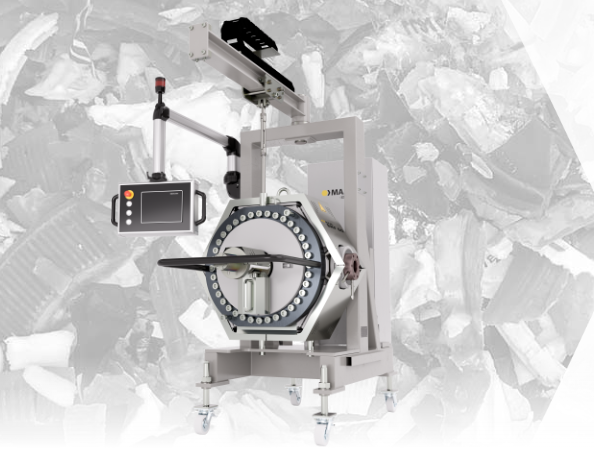
Continuous Filtration
Continuous melt filtration system that reduces operator intervention and removes contaminants during operation.

High Contamination
Automated melt filter designed for recycling, regrind, and heavier contamination with minimal operator involvement.
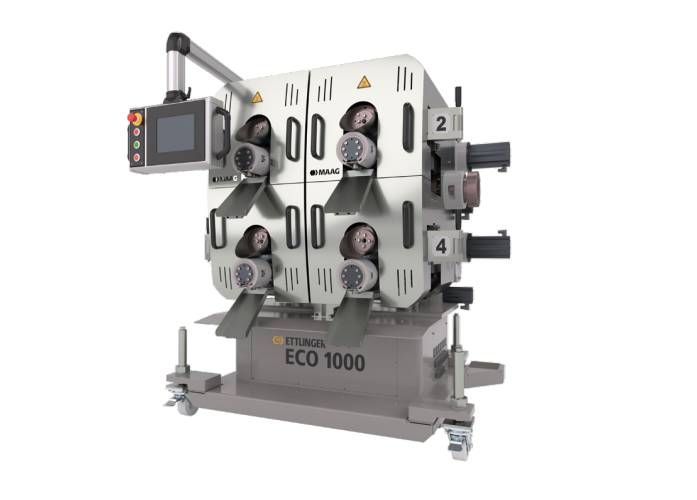
Lower Contamination
Continuous melt filtration approach for PET and PA applications where product cleanliness and lower contamination are critical.
Why This Calculator Matters
Filtration is not just about catching contaminants. In real extrusion and recycling lines, the wrong screen changer or melt filter can increase operator intervention, interrupt production, reduce product quality, or fail to handle the actual contamination profile of the material.
Unplanned downtime: Frequent screen changes or poor filtration fit can interrupt production and reduce uptime.
Contamination risk: The wrong filtration approach may struggle with mixed foreign particles, gels, or recycled material streams.
Misaligned expectations: Manual vs. continuous vs. automated filtration systems behave very differently in real production environments.
What Manufacturers Do Next
Once the likely filtration strategy is identified, the next step is confirming contamination level, screen size, pressure conditions, and how the system integrates with upstream and downstream equipment like melt pumps and dies. Gauge Advisor helps connect filtration, pumping, throughput, and ROI so engineers can move from a rough fit to a more confident decision.
Film & sheet
Maintain product quality and reduce contamination-related defects on wide web lines.
Pipe, tubing, profile
Protect downstream tooling and improve consistency in dimensional extrusion processes.
Recycling & regrind
Match filtration strategy to contamination level and reduce operator intervention on dirty streams.
System optimization
Align filtration with melt pumps, throughput, and process stability to improve overall line performance.
Need to justify the investment? Try the ROI calculator .
This selector helps engineers and plant teams compare manual screen changers, continuous screen changers, and automated melt filtration systems using the process factors that matter most in production. It is especially relevant for film and sheet extrusion, pipe and profile lines, compounding, and recycling applications where contamination level, uptime, and maintenance expectations all influence the right solution.
Many filtration decisions start with throughput, but real process performance depends on much more than line rate. Failing to account for contamination severity, contaminant type, operator intervention tolerance, and pressure conditions can lead to poor equipment fit, more screen changes, and unnecessary production interruptions.
Manual and continuous screen changers are often the right starting point when contamination is low to moderate, process interruptions are manageable, or the application needs a familiar filtration architecture before the die, pump, or downstream tooling.
Automated melt filtration systems become more attractive when contamination is heavier, regrind levels are higher, or the process needs longer runtime with less operator involvement. In those cases, the filtration approach affects uptime, labor, scrap, and overall line stability.
The goal of filtration is not just to trap contaminants. The right solution must also match how the line actually runs. That includes how often operators can intervene, how contamination presents itself, and how filtration performance interacts with downstream process stability.
This selector is designed to compare manual, discontinuous, continuous, and self-cleaning filtration paths in a way that reflects real process priorities. A better match can help prevent issues such as:
Filtration decisions should not be made in isolation. The right approach depends on how the screen changer or melt filter works with the full extrusion process, including melt pump sizing, throughput targets, die pressure stability, and material handling upstream. For a broader overview, see our polymer filtration & melt pump solutions page.
From Selection to System Fit
This selector helps narrow the best starting filtration path based on contamination, operator intervention goals, and process type. The next step is confirming how that solution fits the rest of the extrusion system, including melt pumping, throughput, pressure stability, and expected maintenance interval.
Gauge Advisor helps manufacturers evaluate polymer filtration and melt pump solutions together so the final recommendation reflects real production conditions rather than brochure assumptions alone.
Best next step
Start with the full polymer filtration solutions page, then connect it to pumping and ROI.
Polymer filtration is not a one-size-fits-all decision. Some extrusion lines can run successfully with a manual screen changer, while others benefit from a continuous screen changer or a more automated melt filtration system. The right choice depends on contamination level, operator intervention tolerance, and how filtration impacts uptime and product quality.
In cleaner extrusion applications, the main goal may be protecting the die, melt pump, or downstream tooling from contamination buildup. In more demanding recycling or regrind applications, filtration strategy becomes much more important because contamination severity, mixed foreign particles, and maintenance interval can directly affect labor, scrap, and line performance. For a broader overview, explore our polymer filtration & melt pump solutions page.
Manual screen changers are often the most cost-effective starting point when contamination is relatively low, process interruptions are acceptable, and operators can handle regular screen changes. They are commonly used to protect downstream equipment in standard extrusion processes without adding more complex continuous filtration.
Continuous screen changers make more sense when uptime matters and the process still aligns with a classic screen changer architecture. They are useful when manufacturers want to reduce interruptions during screen changes while maintaining a familiar extrusion filtration approach.
Automated melt filtration systems become more attractive when contamination is heavier, regrind levels are higher, or the process needs longer runtime with less operator involvement. In those cases, the filtration method affects more than cleanliness. It also affects labor, uptime, maintenance burden, and how consistently the line runs.
Choosing between these technologies is really a decision about process strategy. Throughput matters, but it does not tell the whole story. Contamination type, resin family, maintenance expectations, and how filtration works with the melt pump selector and the rest of the extrusion line all influence the better fit.
This is why the selector gives multiple ranked options instead of forcing one answer. In many real applications, the best fit depends on whether the priority is lower cost, higher uptime, reduced operator intervention, or stronger contamination handling.
A screen changer usually refers to a filtration device that uses replaceable screens and is commonly installed in extrusion lines to protect downstream equipment and improve product quality. A melt filter generally refers to a more automated continuous filtration approach designed to run longer and handle more challenging contamination conditions with less operator intervention.
That shift usually makes sense when contamination levels increase, regrind or recycled content becomes more variable, or frequent screen changes start creating too much downtime and labor burden. The more inconsistent or dirty the stream becomes, the more valuable continuous or automated filtration usually is.
Not necessarily. Throughput is important, but contamination severity, contaminant type, resin family, and expected maintenance interval are often just as important. A high-throughput clean stream may still fit a continuous screen changer, while a lower-throughput dirty regrind application may justify a more automated melt filter.
Filtration and melt pumping are closely connected. Filtration influences contamination control, pressure stability, and how well downstream equipment is protected. That is why many manufacturers evaluate both together. If you are also reviewing pressure generation and pump fit, use the Melt Pump Selector.
No. This tool is designed to narrow the best starting technology path. Final selection still depends on actual contamination profile, screen fineness, pressure differential, melt viscosity, operating temperature, and maintenance goals.
Ready for the Next Step?
Once you identify the right filtration or screen changer approach, the next step is connecting it to the full system. Filtration, melt pumping, throughput, and pressure stability all work together to influence uptime, product quality, and operating cost.
Melt Pump Selector
Match filtration to pressure generation and improve output stability across the line.
Throughput Calculator
Confirm real line rate and understand how throughput impacts filtration and pumping decisions.
ROI Calculator
Estimate the financial impact of improved filtration, reduced downtime, and better process stability.