Buyer and engineering questions
Desiccant resin drying system FAQ
These answers establish the starting architecture. Final selection still requires resin-specific moisture and drying data, actual demand, hopper residence, airflow, loading, utilities, controls, layout, and project scope.
What is included in a desiccant resin drying system?
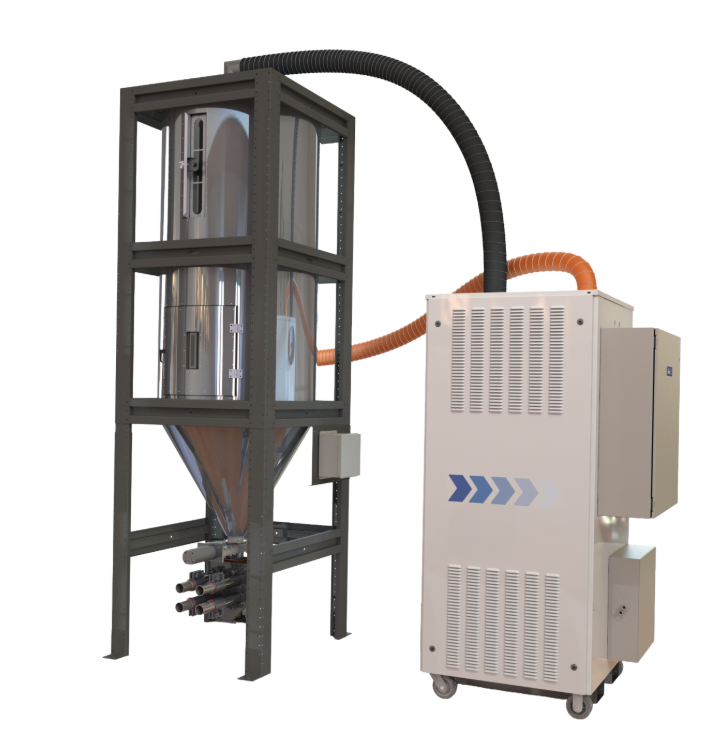
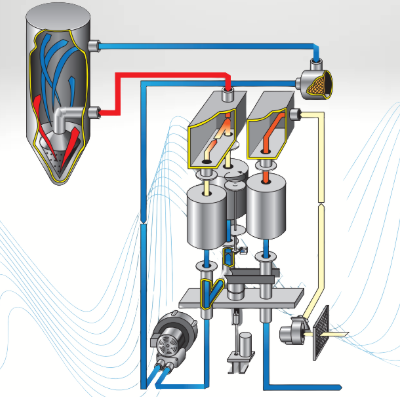
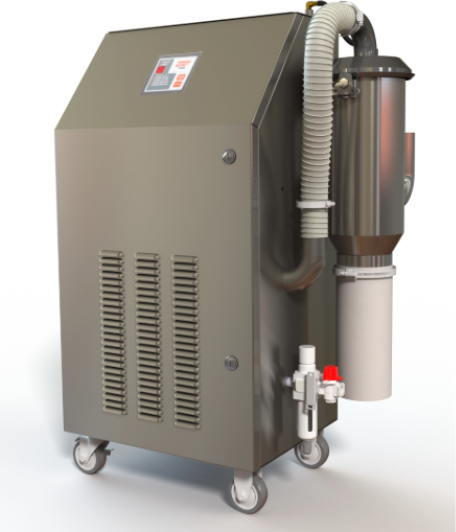
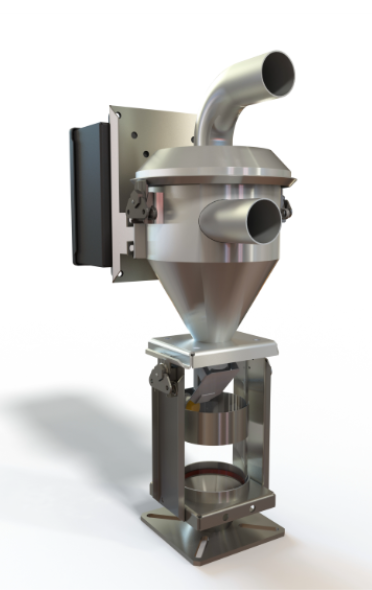
A complete system can include a low-dew-point desiccant dryer, one or more insulated drying hoppers, process and regeneration blowers, heaters, filters, coolers or return-air options, dew-point and temperature controls, hopper loaders or receivers, conveying pumps and dust collection, dry-material transfer, controls integration, ducting, structure, utilities, installation, commissioning, and training. The actual scope follows the resin and plant layout.
How is an ABS TD-Series dryer sized?
Start with the exact resin, incoming and target moisture, supplier drying temperature, required residence time, minimum/normal/peak lb/hr, material form, ambient condition, and number of hoppers operating at once. ABS publishes estimated TD tiers from 24 to 2,000 lb/hr, but the smallest nominal tier above the production rate is not automatically the final selection.
How is a CK drying hopper sized?
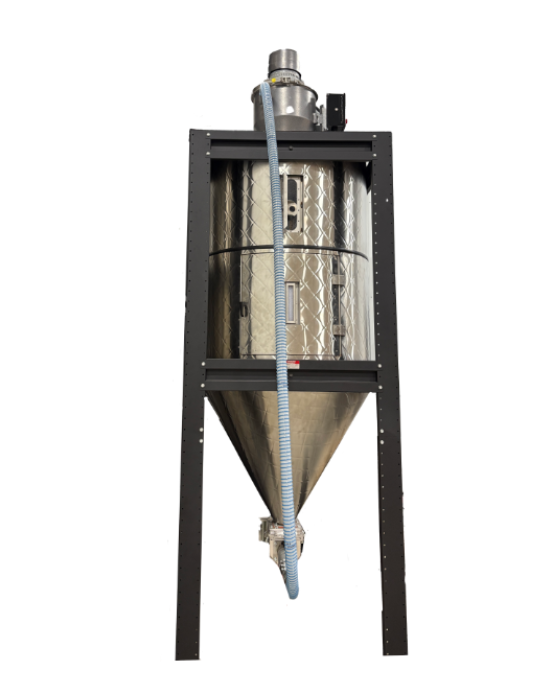
Multiply actual material consumption by the required residence time to estimate the mass that must remain at drying condition. Convert that mass using the material’s bulk density, then account for usable hopper volume, fill-control range, refill cycle, material flow, changeovers, and operating allowance. Hopper airflow and distribution must also match the dryer and resin.
Does a -40° dryer dew point prove the resin is dry?
No. Dew point describes the condition of the air at the sensor. Final pellet moisture also depends on initial moisture, temperature, airflow, residence time, hopper loading and channeling, material form, leaks, and how the resin is protected after drying. Use the resin supplier’s requirement and an appropriate moisture-test method for release or validation.
Should the plant use one machine-side dryer or a central system?
A machine-side cell can simplify one material or one process and reduce shared-system complexity. A central system can serve several hoppers and machines with shared dry-air generation, loading, controls, and future capacity. Compare simultaneous resin demand, different temperature schedules, changeovers, routing, floor space, ducting, utilities, maintenance, redundancy, and expansion before deciding.
What energy and control features are available?
Current ABS literature describes recovered regeneration heat, dew-point and temperature graphing, a flow schematic, seven-day scheduling, dirty-filter and high-dew-point alarms, and available Delta T, dew-point shift, regeneration power-save, high-heat aftercooling, low-temperature precooling, and enhanced sensing. Exact standard versus optional scope must be confirmed on the quoted model because published revisions differ.
Can ABS support or replace a legacy Thoreson McCosh dryer?
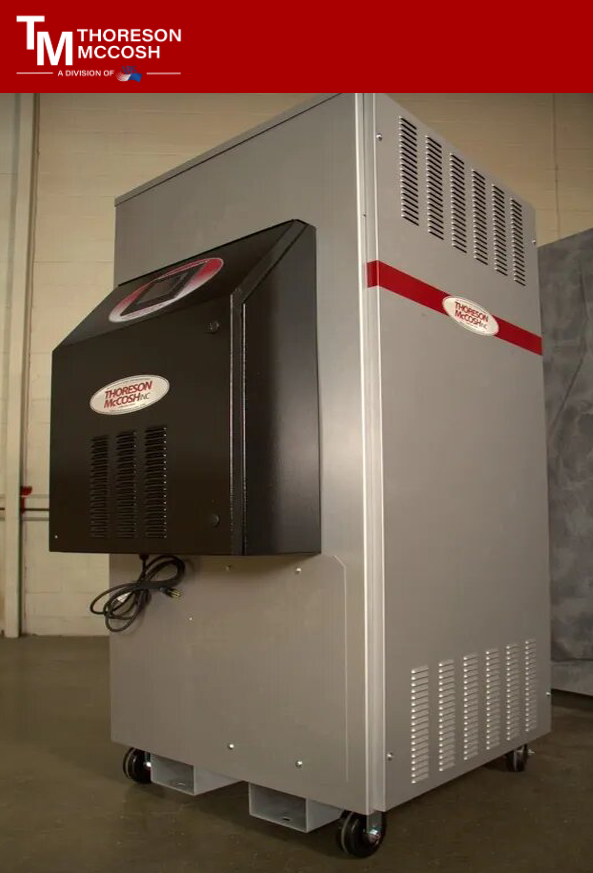
ABS acquired Thoreson McCosh in 2020 and fully integrated the former brand in 2026. ABS publishes maintenance information for several earlier controls, blower, probe, desiccant, and dew-point service tasks and can evaluate repair, modernization, process correction, or replacement. Parts availability and retrofit compatibility are model-specific, so send the nameplate, model, serial number, voltage, controls generation, drawings, and photos.
When should a plasticizer trap or return-air upgrade be considered?
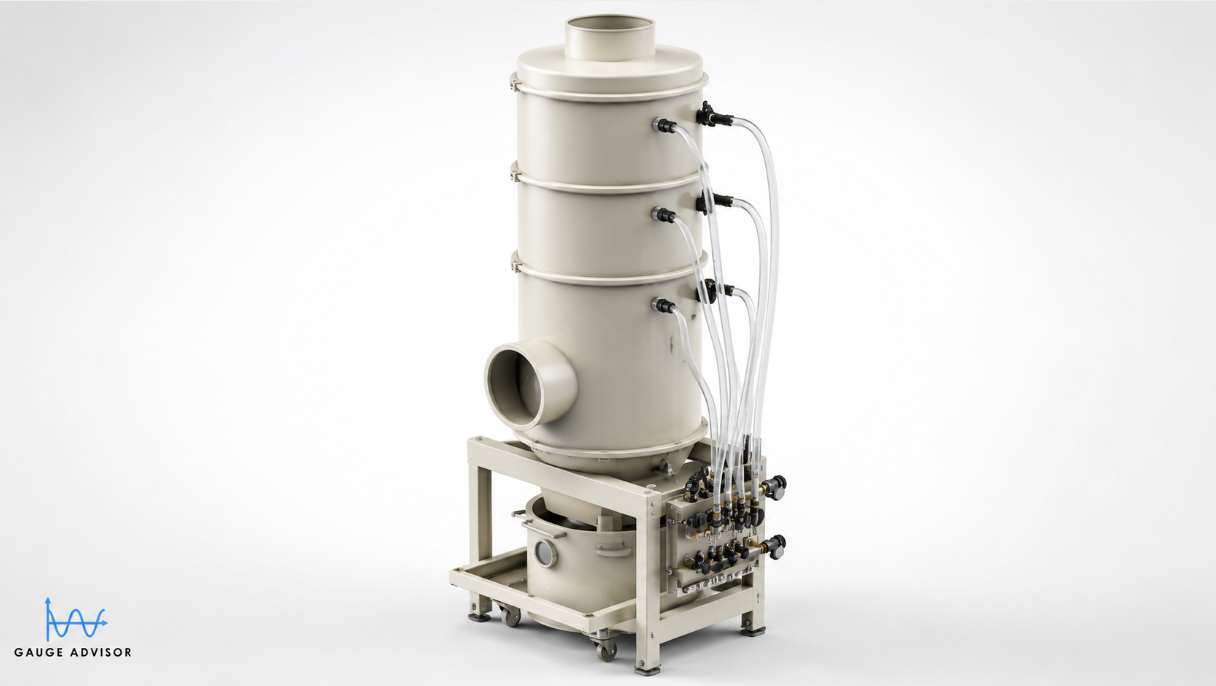
Review a plasticizer trap when sticky, oily, waxy, or condensable carryover follows a particular resin, additive, regrind, or PCR percentage and is fouling the return-air side. A trap does not remove every dry fine or correct inadequate dryer capacity, desiccant, airflow, regeneration, residence time, or filtration. Confirm the residue, airflow, temperature, cooling water, drainage, access, and maintenance plan.
What information is needed for useful budget pricing?
Send resin data sheets; material form and bulk density; incoming and target moisture; supplier drying temperature and residence time; actual lb/hr demand; hopper and machine count; loading and conveying layout; voltage, compressed air, cooling water, drains, and exhaust; controls and network requirements; space and access; installation scope; schedule; and existing-equipment nameplates, photos, trends, and maintenance history.