
Extrusion Melt Pump & Screen Changer Upgrades, Replacements & Retrofits
Evaluate a melt pump, replace aging equipment, or upgrade from manual screen changes to hydraulic or continuous filtration. Plan the drive, heating, pressure measurement and controls around your polymer, production rate and existing line.

Gauge Advisor is an authorized MAAG sales and applications support representative. I help gather operating data, identify suitable equipment and coordinate MAAG’s technical review and quotation.
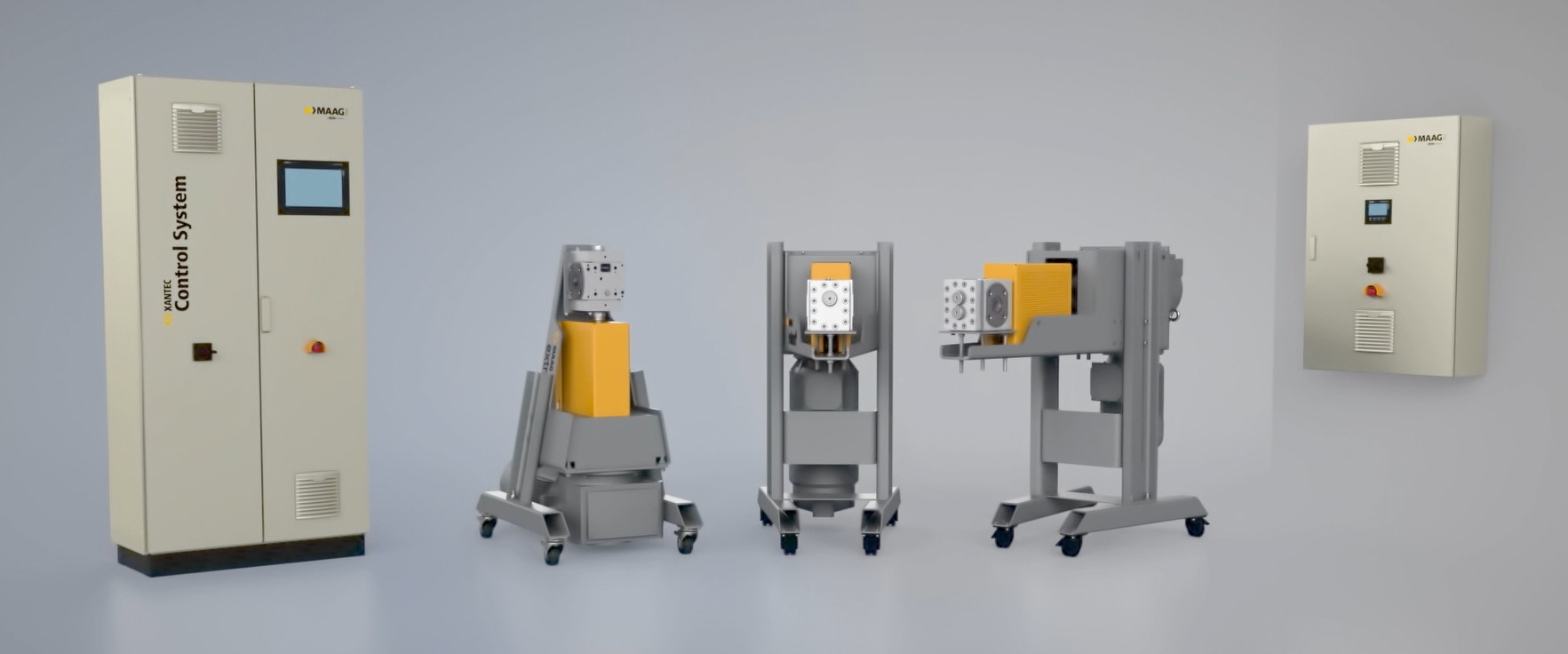
Choose the upgrade based on the production problem
The same MAAG product family can serve very different purposes. Define the current line, the limiting condition and the measurable outcome before choosing the pump, screen changer, controls or installation layout.
Stabilize pressure on a line that has no pump
Size the pump, drive and pressure strategy around the extruder, polymer, rate, inlet condition and die demand. The project may also include a screen changer, adapters, cart, heating, controls and commissioning.
Upgrade MAAG or competitive equipment
Document the existing pump or filter, centerline, flanges, drive, controls and process duty. A replacement for a competitive unit—such as an older PSI installation—must be engineered from the application, not treated as a dimensional swap.
Reduce manual changes and process interruption
Compare plate, hydraulic, single-piston, continuous double-piston, backflush and continuous-filter strategies using contamination, screen target, uptime, operator involvement and available space.
Support new material, capacity or controls needs
New polymer, reclaim, filler, rate, filtration target, pressure, temperature, die or plant standard can change the useful pump execution, filtration area, drive, heating, controls and layout.
Equipment sales and service contacts: Gauge Advisor helps select and quote equipment and can route service inquiries to MAAG. MAAG handles technical service, parts confirmation, inspection, repair, maintenance and service dispatch. Contact MAAG directly for service response or emergency support.
Use operating symptoms to identify what the retrofit should improve
A symptom does not automatically justify a particular component. Use the evidence to define the project outcome and then verify whether the constraint belongs in extrusion output, melt delivery, filtration, controls, the die or downstream equipment.
Surging and dimensional variation
Review inlet/discharge pressure, extruder and pump speed, temperature, screen differential pressure, viscosity and downstream restriction before defining the pressure-control system.
The extruder is working primarily as a pressure generator
A correctly applied melt pump can isolate pressure generation from melt preparation, but usable output remains application-specific and must be checked against inlet conditions and product quality.
An older or competitive unit limits supportability
Inventory the pump or filter, adapters, drive, controls, drawings, spares, condition, centerline and current duty before deciding what can be retained.
Operators cannot see or reproduce the process
Recipes, trends, alarms, permissives, pressure control, temperature zones and startup/shutdown sequencing may be part of the modernization value.
Short screen life or high differential pressure
Characterize contamination type and load, screen or micron target, area, polymer, viscosity, rate, pressure trend, screen-change practice and reclaim variability.
Manual screen changes consume too much uptime
Quantify change frequency, interruption, labor, pressure disturbance and scrap to compare hydraulic, continuous and automated filtration strategies.
Gels, black specks or dimensional drift
Separate polymer degradation, contamination, residence time, screen loading, pressure instability, temperature, die behavior and downstream measurement evidence.
New rate, polymer, reclaim or filtration target
Recalculate viscosity, pressure, temperature, pump speed, contamination loading, filter area, residence time and drive requirements around the proposed duty.
A successful retrofit is more than the pump or screen changer body
Define the mechanical, process, controls and startup interfaces together. The quotation should make retained equipment, adapters, utilities, site work, integration, testing, training and performance boundaries visible.
Size from normal and worst-approved conditions
Use polymer rheology, temperature, rate, inlet pressure, discharge pressure, contamination, filtration level and uptime to establish the useful operating envelope.
- Normal, minimum and maximum rate and viscosity
- Inlet, discharge and differential-pressure targets
- Virgin, reclaim, filler and contaminant profiles
- Product quality, screen-life and downtime objectives
Fit the line without assuming a drop-in replacement
Confirm centerline, available length, flanges, adapters, pump cart or base, drive, coupling, alignment, heating, structure, access and thermal growth.
- Existing and proposed equipment envelope
- Retained screen changer, die and extruder interfaces
- Installation, lifting and maintenance clearances
- Site mechanical and electrical responsibilities
Define the operating sequence before the panel
Map pressure regulation, pump and extruder speed, temperature zones, hydraulic functions, permissives, alarms, recipes, trends and plant interfaces.
- PLC/HMI, drive, sensors, I/O and network
- Startup, shutdown and cold-start protection
- Source ownership, backups and change control
- Operator access, diagnostics and training
Plan the outage, startup and proof of performance
Make installation, utilities, checkout, hot commissioning, material, operators, training, documents and acceptance conditions explicit in the written scope.
- Shutdown window and delivery sequence
- Site preparation and retained-equipment condition
- Cold checkout, heat-up and material startup
- Acceptance metrics and post-startup responsibilities
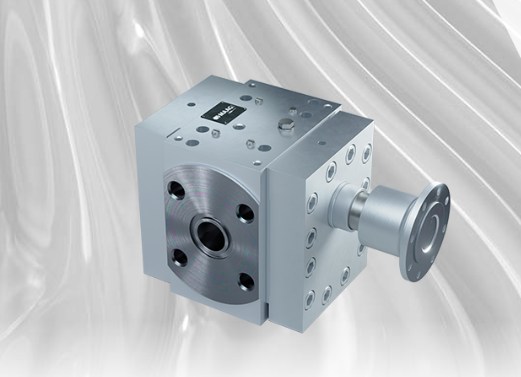
Size the pump from pressure, flow and polymer duty—not the existing flange
A new pump can stabilize discharge pressure and separate melt preparation from pressure generation. A replacement can modernize an aging MAAG or competitive installation. Both options require the real inlet condition, discharge demand, viscosity, temperature, throughput, speed range and line integration.
- Define minimum, normal and maximum output and viscosity
- Establish safe inlet pressure and required discharge-pressure range
- Select pump execution, speed range, drive, seal and heating for the material duty
- Map adapters, cart or base, coupling, alignment, centerline and maintenance access
- Integrate extruder speed, pump speed, pressure control, alarms and downstream equipment
Performance boundary: a melt pump does not correct poor melting, inadequate feed, entrained gas, thermal degradation, contamination or downstream restriction by itself. The project must define which pressure and output functions move from the extruder to the pump.
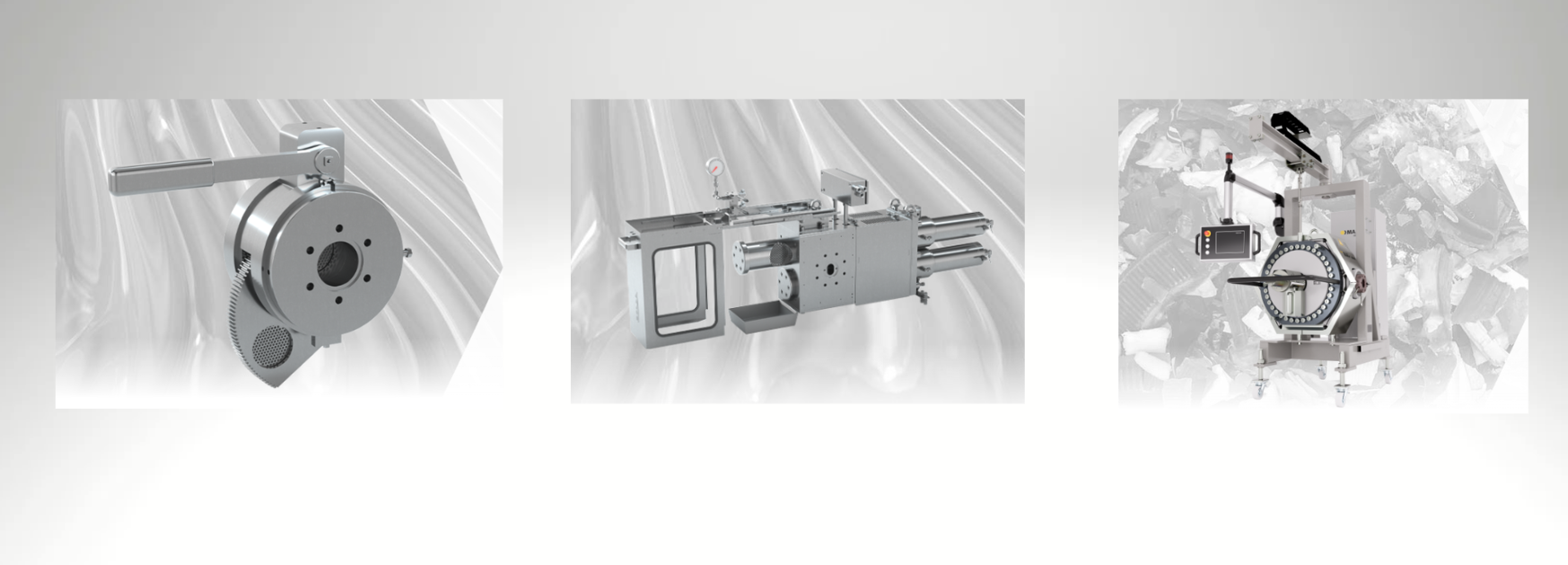
Move from manual changes to the uptime strategy the line actually needs
A manual plate changer, hydraulic plate changer, single-piston unit, continuous double-piston unit, backflush system and continuous recycling filter create different changeover behavior, active area, operator involvement, controls and project cost.
- Quantify current screen-change frequency, interruption, labor and startup scrap
- Record screen media, filtration level, active area and contamination loading
- Trend inlet/outlet pressure and differential pressure through the operating cycle
- Define available length, centerline, heating, hydraulics, access and control interfaces
- Compare plate, piston, continuous and automated options against acceptable downtime
Process boundary: a shorter screen life is not automatically a screen-changer failure. Contamination load, reclaim variability, polymer degradation, screen selection, active area, temperature, viscosity, rate and startup practice may govern the result.

Replace a manual change with controlled actuation
FSC can be evaluated where a hydraulic plate changer fits the polymer, pressure duty, available space and acceptable process interruption. Heating, hydraulics, guards, controls and operator tasks belong in the retrofit scope.

Reduce screen-change disturbance at higher uptime
Continuous piston or curved-screen designs are reviewed when production cannot accept the current interruption. Contamination, pressure, temperature, screen area, residence time, controls and maintenance access still govern selection.
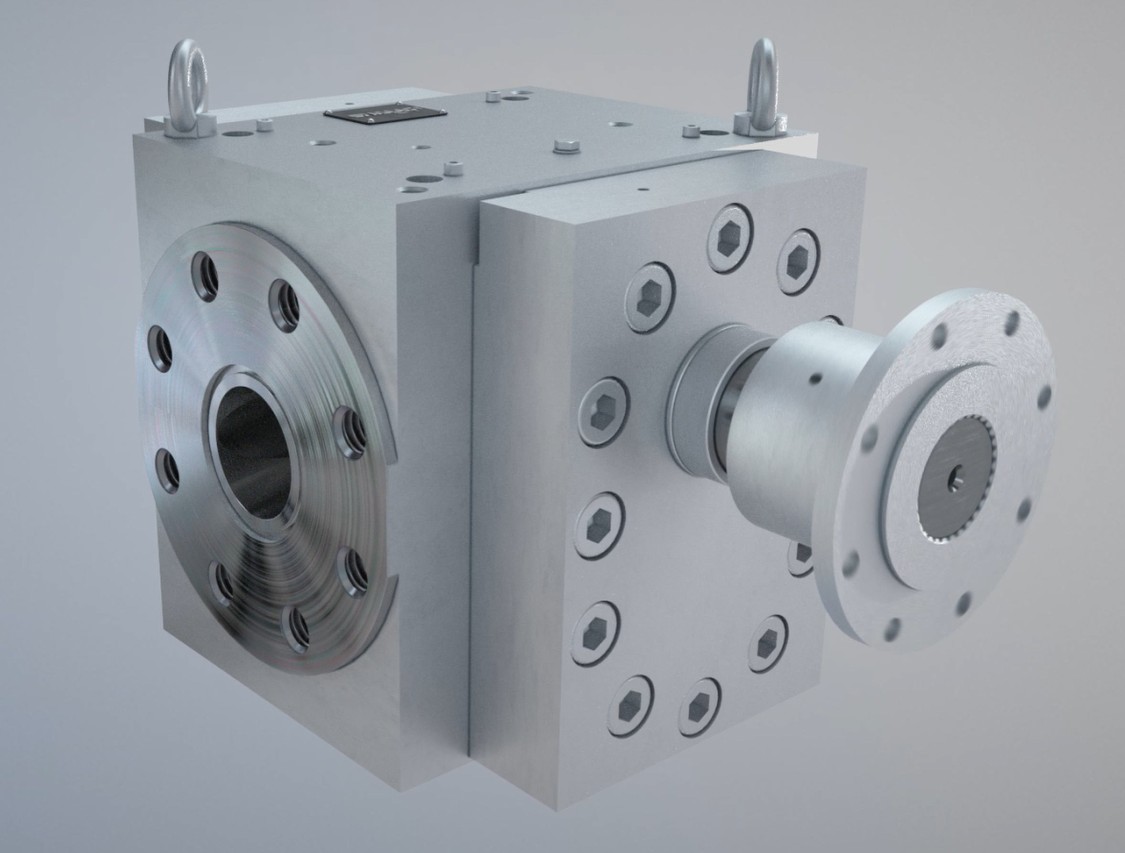
A pump that fits the flanges can still be wrong for the extrusion process
Whether the project adds a first pump or replaces a MAAG or competitive installed unit, reclaim, hard particles, fillers, low-lubricity polymers, viscosity, temperature, pressure and rate change the useful pump execution and filtration strategy.
- Normal and worst polymer or formulation
- Virgin/reclaim ratio and contaminant profile
- Minimum, normal and maximum throughput
- Inlet, discharge and differential pressure
- Temperature, viscosity and residence-time sensitivity
- Required uptime, screen-change frequency and product quality
Keep equipment that still fits the new duty
Retain an extruder, filter, pump, drive or control system only after its condition, operating envelope, documentation, interfaces and lifecycle fit have been reviewed.
Upgrade the equipment limiting production
A new pump, screen changer, drive, cart, adapter, controls package or hydraulic system may be integrated while other suitable equipment remains in place.
Correct duty, capacity and lifecycle together
Replace more of the system when the current pressure, filtration, controls, condition, space or integration constraints cannot support the measurable project objective.
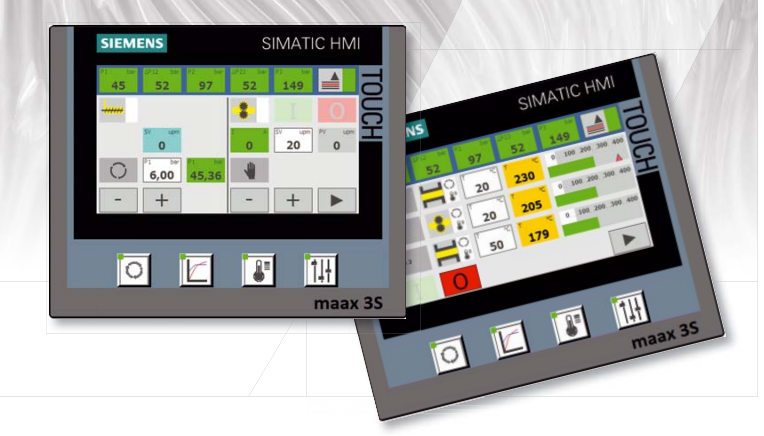
Modernize the operating sequence—not just the touchscreen
MAAG’s current maax PFC is described as a modular automation solution for integrating melt pumps and screen changers into an extrusion process. A retrofit review should cover startup and shutdown, speed regulation, pressure protection, temperature zones, hydraulic functions, permissives, alarms, trends, recipes, interfaces and source ownership.
- Inventory PLC/HMI, drives, I/O, sensors, heaters, hydraulics and network interfaces
- Preserve safe cold-start, low-inlet-pressure, high-discharge-pressure and drive protection
- Define extruder/pump speed strategy and responsibility for downstream pressure control
- Document recipes, trends, alarms, backups, licenses, changes and operator training
- Confirm controls scope, third-party interfaces and commissioning in writing
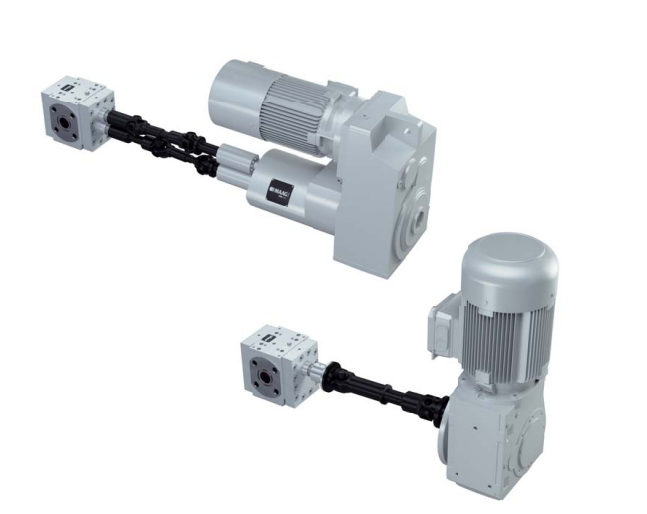
Evaluate melt-pump requirements and filtration options
Choose one tab at a time. The melt-pump selector organizes pressure, viscosity, rate and pump-duty inputs; the filtration selector organizes contamination, screen-change tolerance and filter strategy.
Using the selector results: selector results are preliminary equipment guidance. They do not establish retrofit fit, flange interchangeability, retained-equipment compatibility or guaranteed performance. The final project still requires installed dimensions, polymer/process data, controls interfaces, site constraints and MAAG applications review.
Start with the production objective, current line and real operating window
You do not need to choose the MAAG model first. The installed-base package defines physical integration; the process package defines the equipment duty and measurable project value.
Send the installed-equipment package
Use clear documentation to show what is installed, what may be retained and which dimensional and controls interfaces the new equipment must address.
- Plant, line, contact and required project outcome
- Manufacturer, model, serial, nameplate and overall equipment photos
- Original order, drawings, manual and known modifications when available
- Equipment centerline, available length, flanges, adapters and clearances
- Polymer, formulation, reclaim, contamination and filtration level
- Throughput, pump speed, inlet/discharge pressure and temperature
- Motor, reducer, drive, coupling, base or cart and alignment arrangement
- Screen differential-pressure trend and screen-change frequency
- PLC/HMI, pressure sensors, heaters, hydraulics, I/O and networks
- Equipment to retain, shutdown window and required in-service date
Send the process and integration package
Define what must improve before choosing the pump execution, filtration method, control platform or installation layout.
- Extruder, screw diameter, line type and downstream die/product
- Normal and worst-approved polymer, viscosity and temperature
- Minimum, normal and maximum throughput
- Required pump inlet, discharge and differential-pressure range
- Contamination type/load, screen target and uptime requirement
- Current pump, filter, adapters, drive, heating and controls
- Available length, centerline, access, structure and utility limits
- PLC/HMI, I/O, networks, source files and plant standards
- Equipment to retain and third-party interface responsibilities
- Installation, startup, training, acceptance and schedule requirements
Confirm project responsibilities: the quotation must identify who checks dimensions and existing equipment, and who handles removal, rigging, installation, utilities and controls connections. It must also assign safety review, startup material and operators, commissioning, training and acceptance testing. Confirm which activities are included and which require separate arrangements.
Melt pump and screen changer retrofit FAQ
Use these answers to prepare for an equipment review. Final sizing, compatibility, retained equipment, installation, controls, commissioning, schedule and performance require application review and written scope.