On film and sheet lines, small upstream instability often becomes visible at the die and in the final web. Pressure fluctuation, contamination, temperature rise, poor melt distribution, and inconsistent material feeding can all show up as thickness variation, gels, black specks, line instability, or unnecessary scrap.
Die pulsation and melt pressure variation make it harder to hold tight film and sheet thickness tolerances.
Gels, black specks, fines, and degraded polymer can reduce product quality and create downtime at the die.
Higher shear and pressure generation inside the extruder can increase melt temperature and stress sensitive materials.
Melt delivery, gauging, and resin handling are often treated separately even though they affect the same process window.
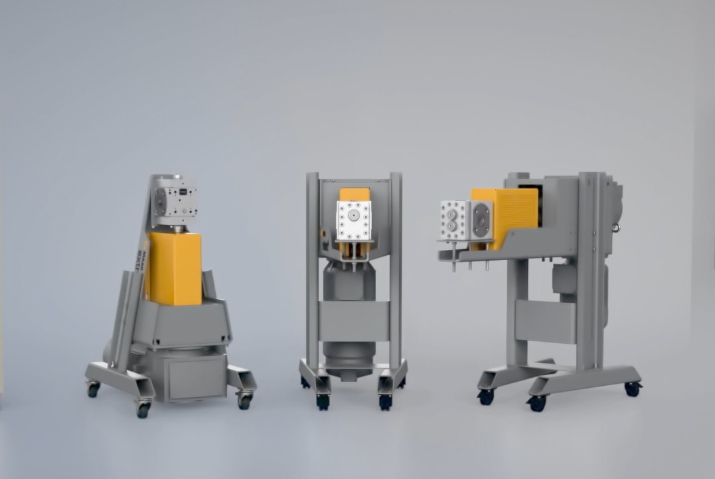
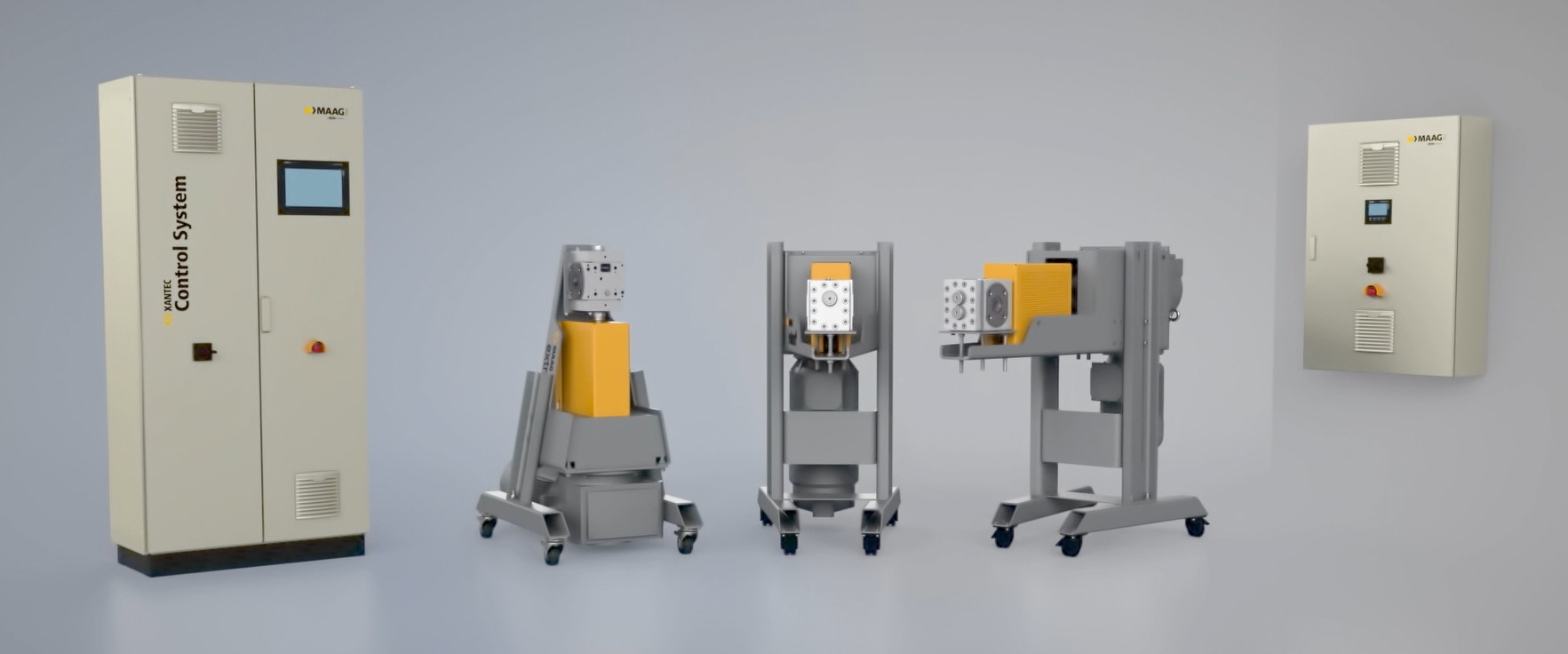
In most film and sheet applications, the strongest results come from treating the line as a connected system instead of a collection of standalone products. Melt pumps stabilize flow and pressure. Screen changers and filtration systems protect the die and remove contamination. Controls help maintain repeatable conditions. Flow distribution components support multilayer and split-stream architectures. Support carts, drives, and integrated assemblies simplify retrofit and installation.
Resin conveying, blending, drying, and feeding affect bulk consistency before the melt even reaches the extruder.
Pumps, screen changers, filters, controls, and adapters determine melt quality and pressure behavior at the die.
Film and sheet gauging systems verify what the line is actually producing and help close the loop on thickness control.
Melt pumps, screen changers, and filtration systems are not one-size-fits-all. The right configuration depends heavily on the application, material consistency, contamination level, and process stability requirements. The table below highlights how these systems are typically applied across film and sheet, pipe and profile, and recycling extrusion lines.
| Application | Primary Goal | Melt Pump Role | Filtration Strategy |
| Film & Sheet | Gauge uniformity and thickness control | Stabilize pressure to improve cross-web profile and reduce variation | Continuous screen changers or fine filtration for clean, consistent melt |
| Pipe, Tubing & Profile | Dimensional stability (OD, ID, wall) | Reduce pulsation and maintain steady flow into the die | Screen changers or filtration depending on material cleanliness |
| Recycling & Regrind | Contamination removal and uptime | Stabilize pressure with variable material streams | Self-cleaning melt filters for heavy contamination loads |
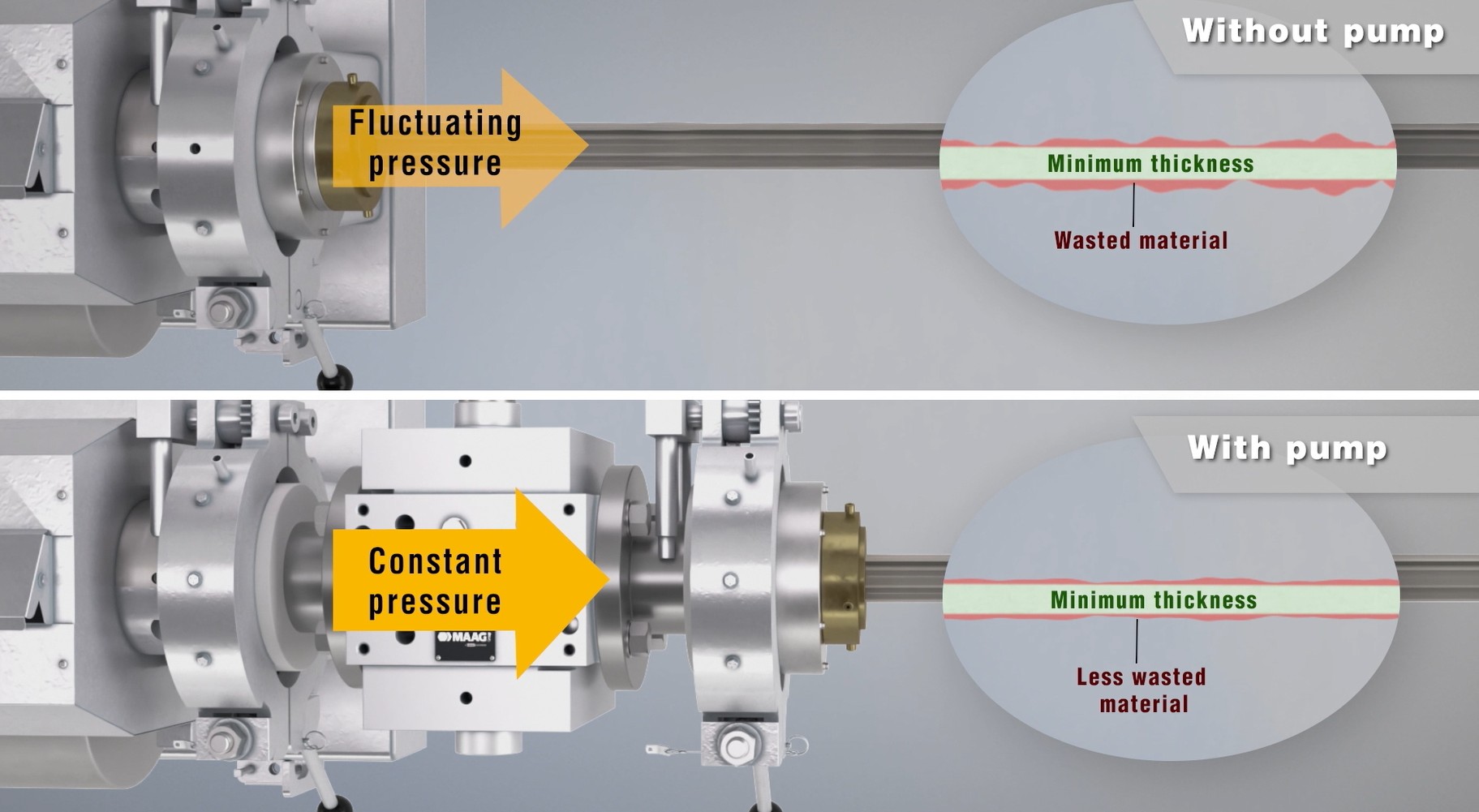
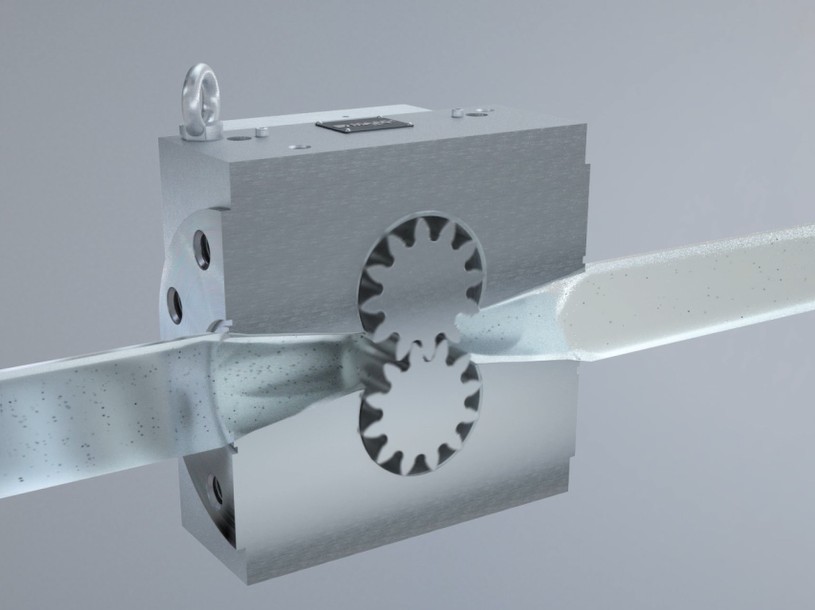
In film and sheet lines, extrusion melt pumps are used to stabilize melt pressure, reduce pulsation at the die, and improve product consistency. By shifting pressure generation away from the extruder and into a precision gear pump, the system can run with better pressure control, lower melt temperature rise, and more repeatable flow.
This is especially important in film and sheet extrusion because even small pressure variation can widen thickness tolerances and increase material giveaway. A properly selected pump can help tighten gauge control, improve product uniformity, reduce scrap, and support higher line performance.
Screen changers protect the die and downstream process by filtering contamination from the polymer melt before it reaches the most sensitive parts of the line. In film and sheet extrusion, continuous screen changers are attractive because they allow screen changes under pressure without interrupting production, which helps maintain stable melt pressure and consistent output.
Manual or discontinuous screen changers can still fit simpler, lower-throughput, or cost-sensitive applications, especially where contamination levels are moderate and the process can tolerate periodic intervention. For more demanding lines, continuous systems are usually the better fit for uptime and quality consistency.
| Continuous Screen Changers | Manual / HSC |
| Higher uptime | Lower complexity |
| Screen changes under pressure | Operator intervention required |
| Better for stable pressure and continuous film/sheet production | Better for simpler lines or lower-throughput operations |
Standard screen packs are not always the right answer when sheet lines run with higher filler content, reclaimed material, or more difficult contamination profiles. In those cases, dedicated melt filtration systems can provide more effective contaminant removal, longer service intervals, and better process continuity than simpler screen changer approaches.
This matters on heavy sheet lines, filled compounds, and applications where gels, black specks, fines, or degraded material directly affect product appearance and quality. High-performance melt filtration can help maintain throughput, preserve product consistency, and protect downstream equipment from contamination-related instability.
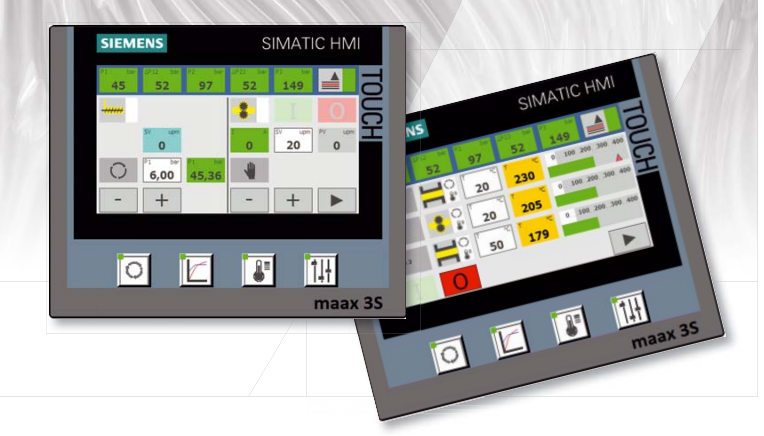
Good hardware still needs good control. Drive and control systems help manage pump speed, pressure behavior, temperature monitoring, startup sequences, and production stability. For retrofit projects, this can be just as important as the mechanical equipment itself because control architecture influences how predictable the line feels day to day.
On film and sheet lines, control systems matter because pressure stability and startup consistency directly affect thickness performance, scrap during changeover, and operator confidence. Integrated monitoring also makes troubleshooting faster and provides better process visibility.
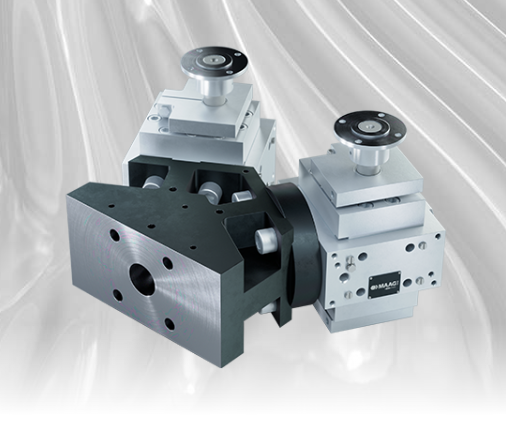
In coextrusion and multilayer film applications, flow distribution components help feed multiple die packs or process branches with consistent melt streams. This can improve flexibility in line design and support more controlled delivery where independent or split flow is required.
For engineers evaluating multilayer film systems, a Y-adapter or related distribution component is not just a piece of piping. It is part of the pressure and flow architecture that influences how evenly material is delivered downstream.
Some projects are not about a single product. They are about how the pump, filtration, controls, drive units, support structures, and line integration work together. Integrated melt delivery systems make sense when the goal is to reduce installation complexity, improve serviceability, and create a more repeatable process package.
This is especially useful in retrofit applications where the mechanical fit, control strategy, and startup behavior matter almost as much as the equipment selection itself.
Background on pressure stability, pulsation reduction, and how melt pumps improve extrusion performance.
A practical look at how better hardware and process control can translate into material savings and line improvement.
Supplemental video resource for engineers evaluating melt delivery and filtration system concepts.
Estimate melt pump flow rate, pressure requirements, and pump type based on polymer, throughput, and process conditions.
Identify the right screen changer or melt filtration system based on contamination level, material type, and process goals.
Estimate the financial effect of improved melt delivery, material savings, and process upgrades.
Useful when film and sheet thickness variation, process spread, and capability targets are part of the discussion.
Connect throughput, output, and line speed assumptions when evaluating system changes on film and sheet lines.
A melt pump helps stabilize pressure and flow at the die, which can improve thickness consistency, reduce pulsation, and support more repeatable production.
Not exactly. Both remove contamination, but dedicated melt filtration systems are often better suited for more difficult contamination loads or filled materials than basic screen pack changes alone.
Continuous screen changers are usually the better fit when uptime, stable melt pressure, and uninterrupted film or sheet production matter more than the lowest possible system complexity.
Yes. They can fit simpler, lower-throughput, or cost-sensitive lines where contamination levels are manageable and brief process interruptions are acceptable.
It helps remove gels, black specks, fines, and contamination while preserving throughput and protecting the die and downstream equipment from process instability.
Controls influence startup repeatability, pressure stability, monitoring, and how quickly operators can detect and respond to process drift.
Yes. Melt delivery affects thickness performance, but gauging systems confirm what the line is actually producing and help quantify the result.
Because inconsistent conveying, blending, feeding, or drying upstream can create variability that no downstream melt delivery system fully cancels out.

Gauge Advisor supports film and sheet extrusion projects with Maag melt pumps, screen changers, and melt filtration systems. These solutions are used to stabilize pressure, reduce downtime, and improve process consistency across extrusion applications.
If you are evaluating melt pumps, screen changers, melt filtration, controls, or related upgrades for film and sheet lines, send the material type, contamination profile, throughput, filler level, line configuration, and what problem you are trying to solve. That is usually enough to start narrowing the right architecture.
The fastest way to evaluate a film or sheet extrusion application is to share the polymer type, filler or additive load, contamination concerns, current throughput, target line speed, die type, whether the line is mono- or multilayer, and what issue matters most: gauge variation, contamination, throughput, startup scrap, or operator stability.